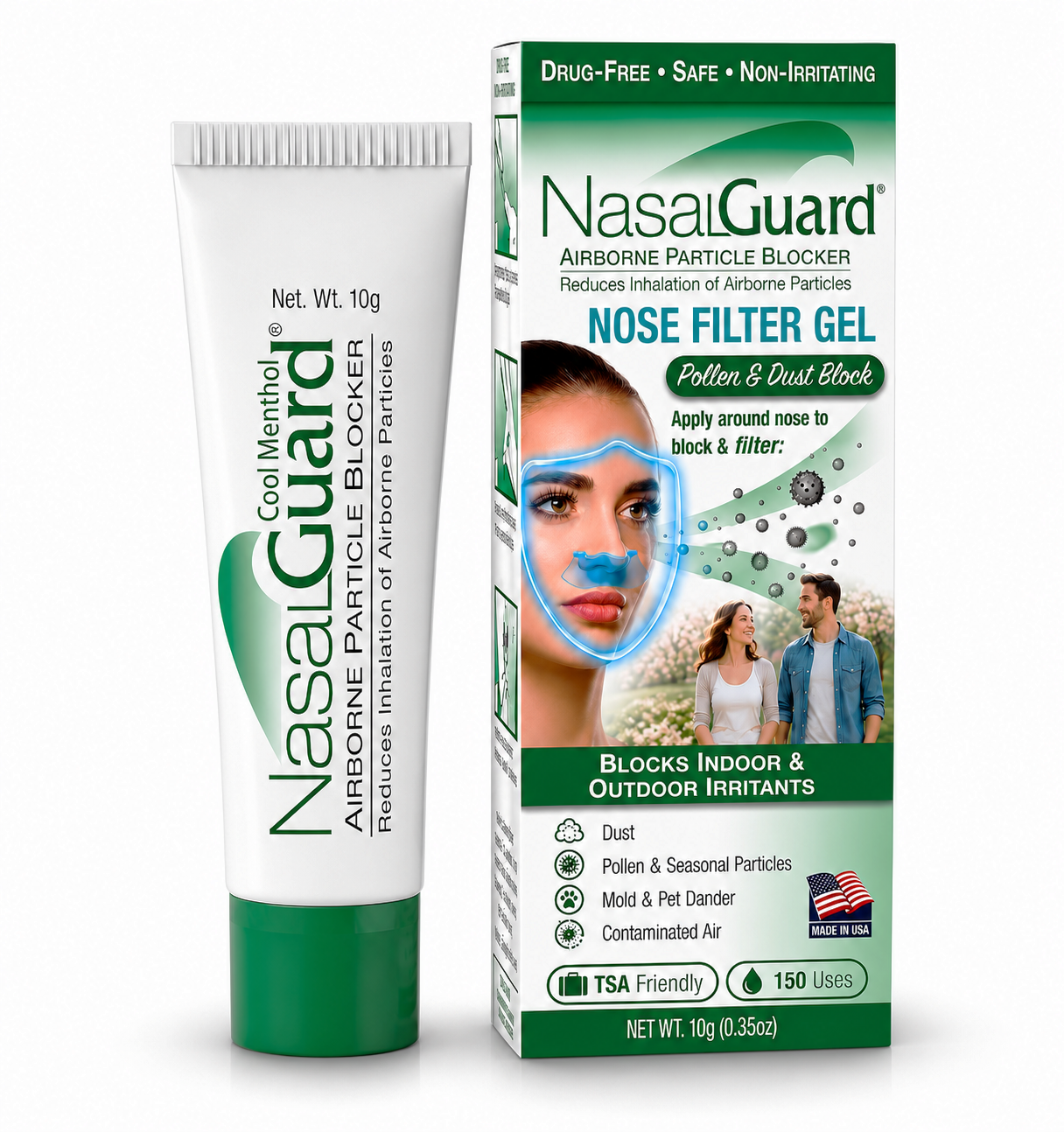
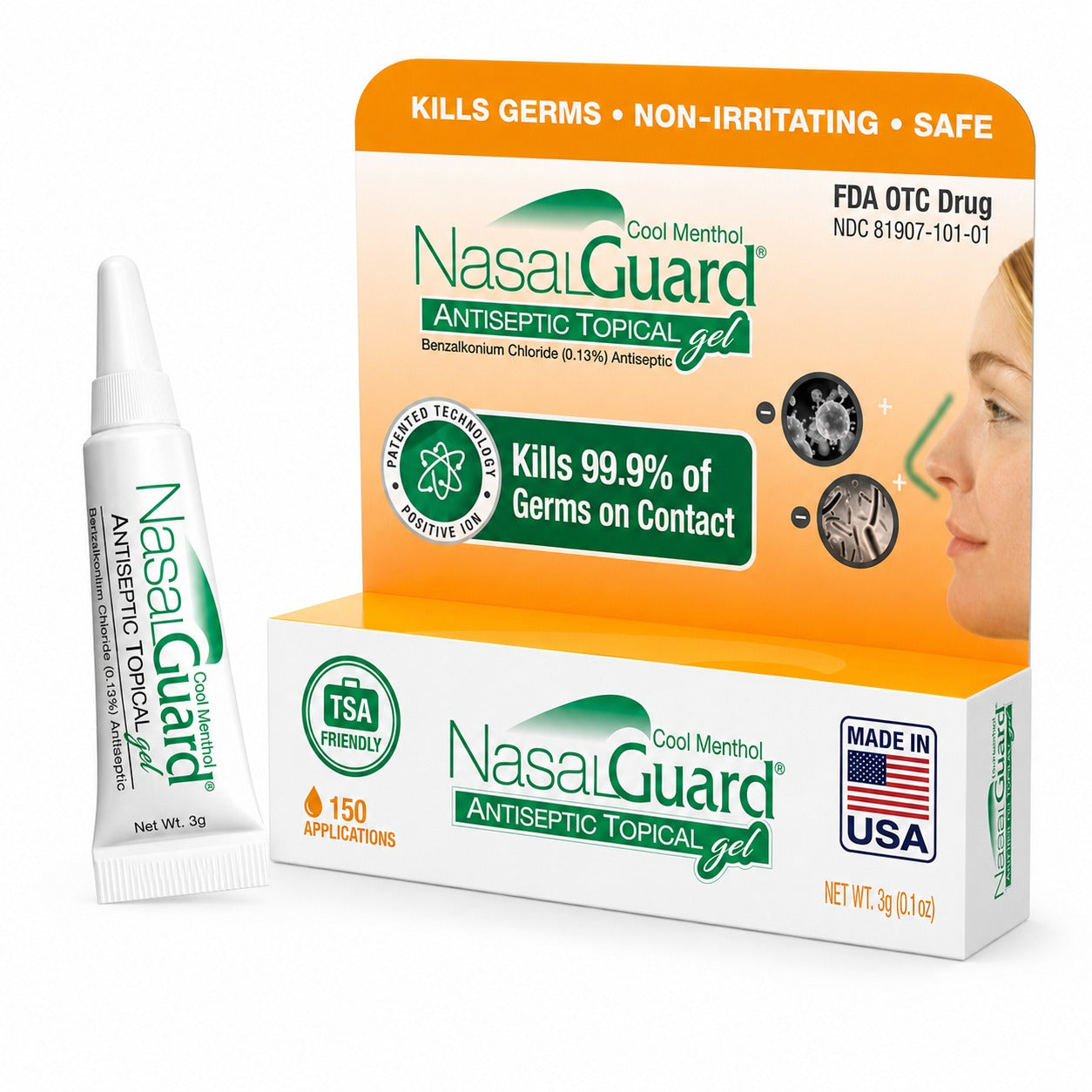
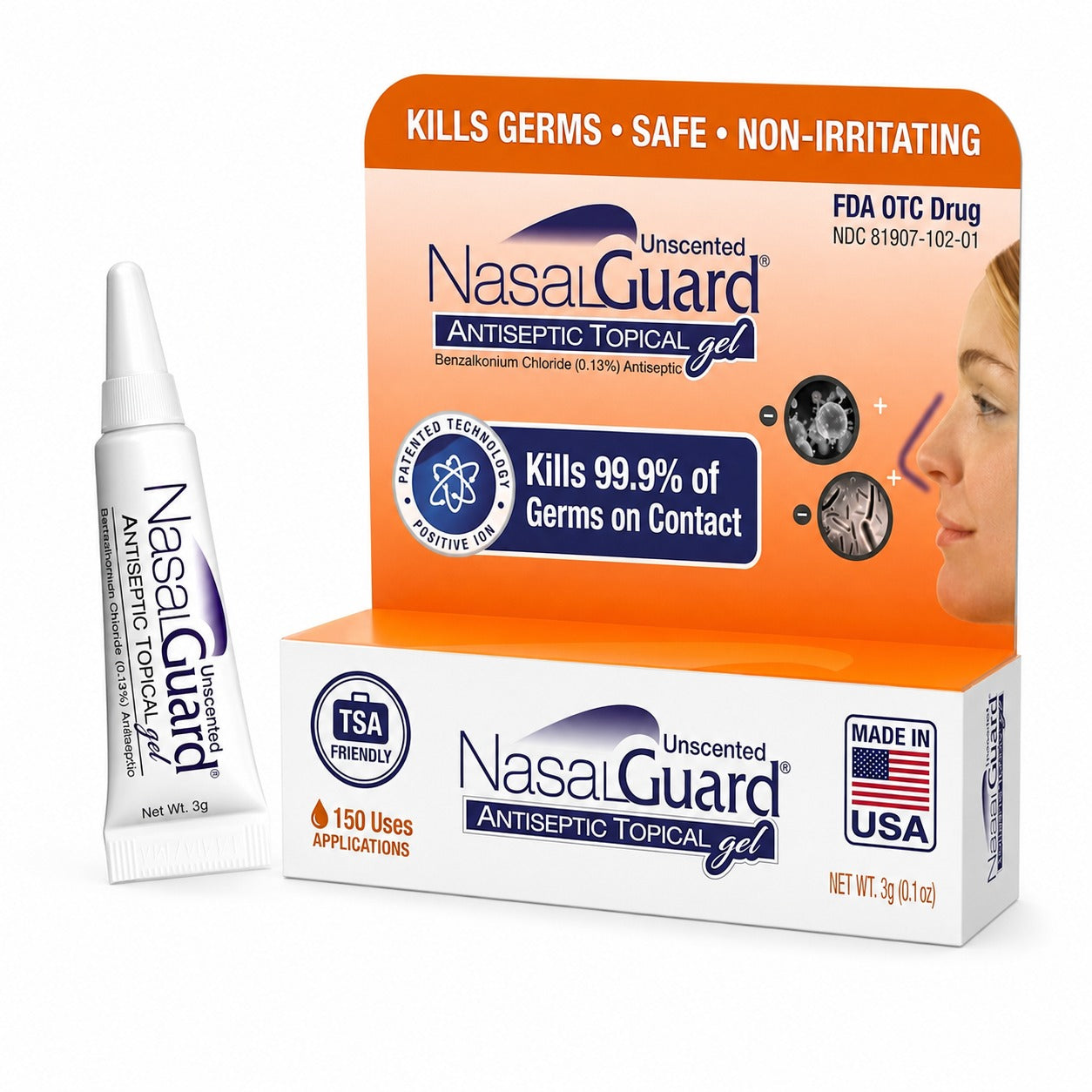
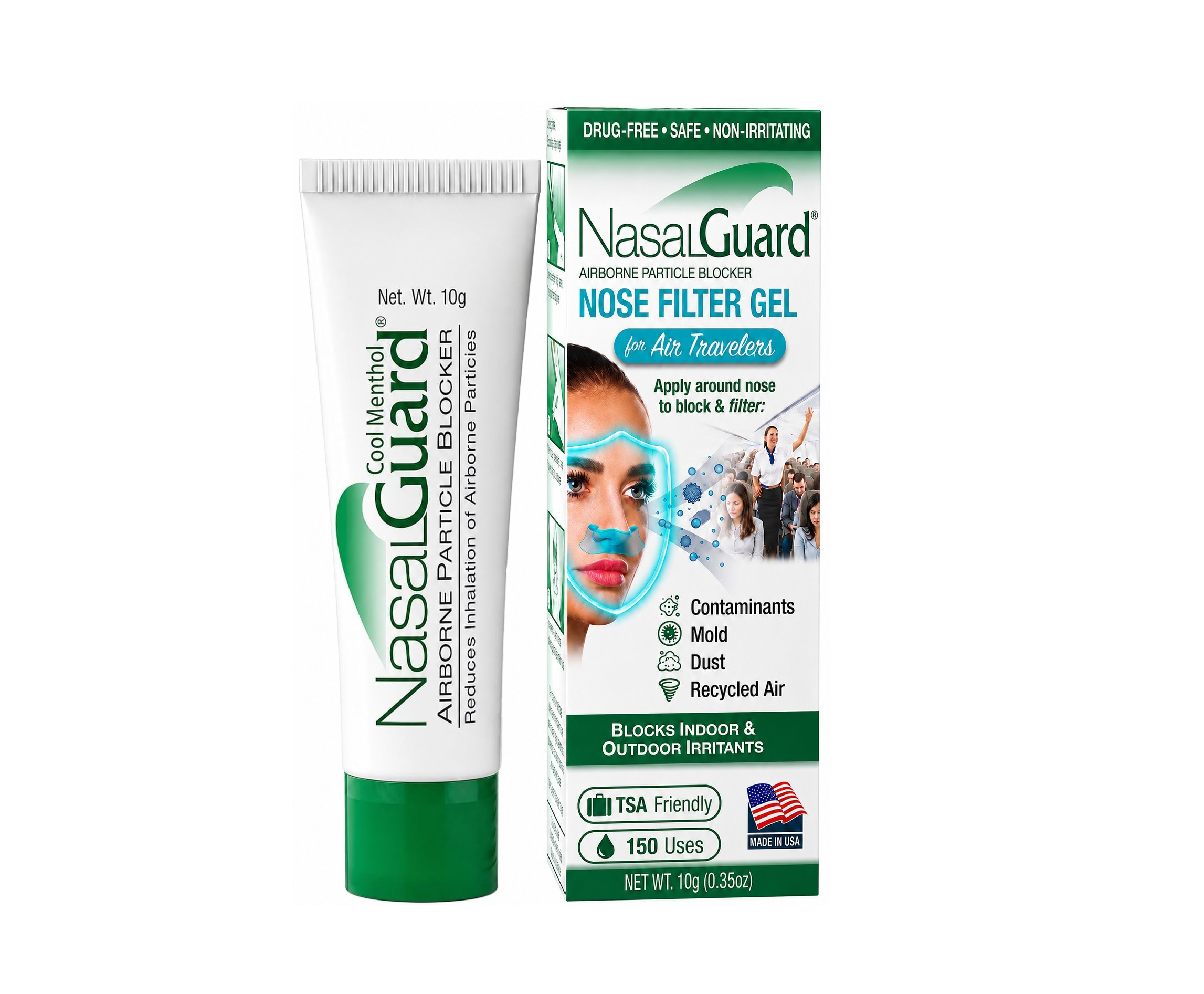
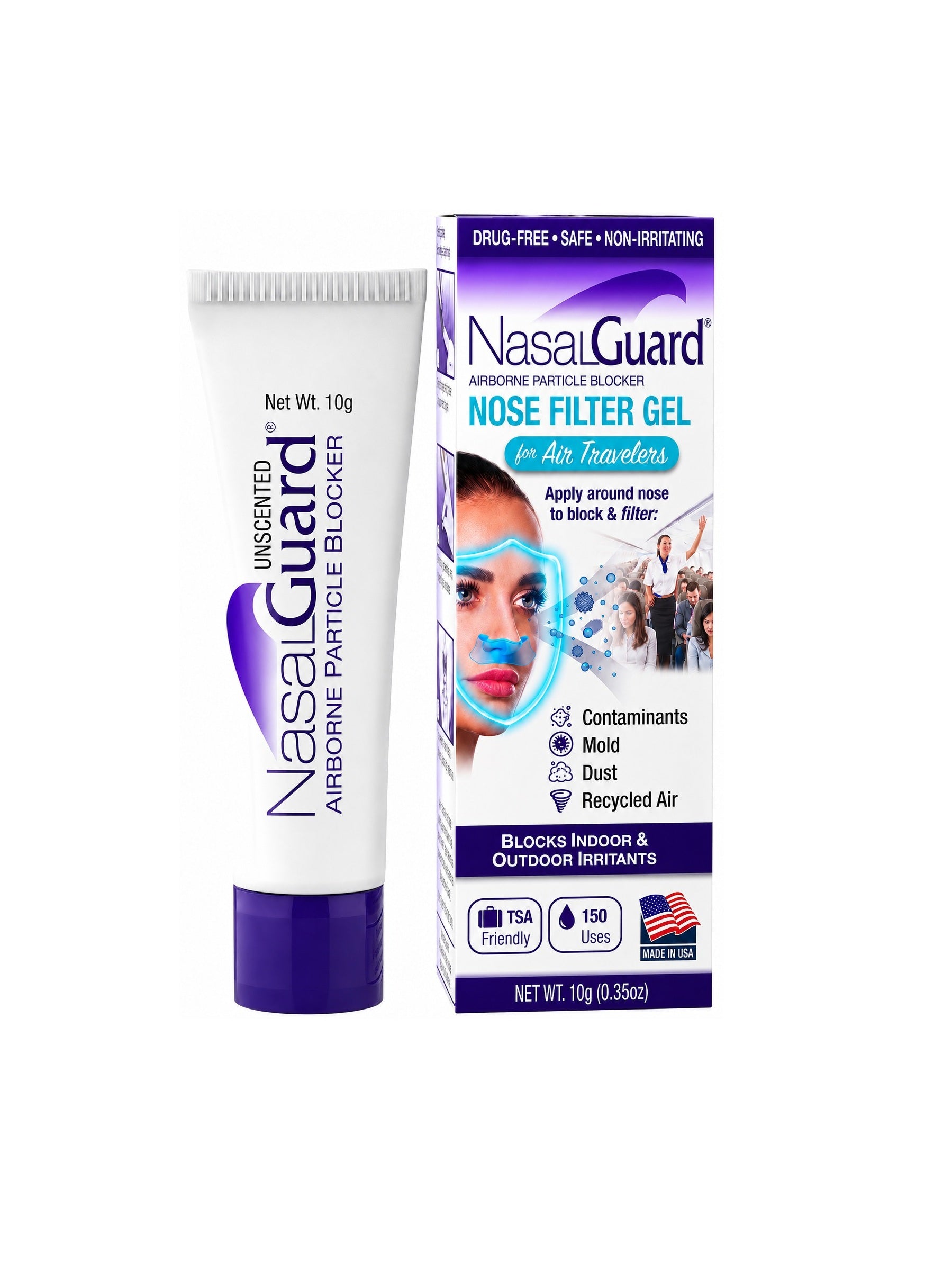
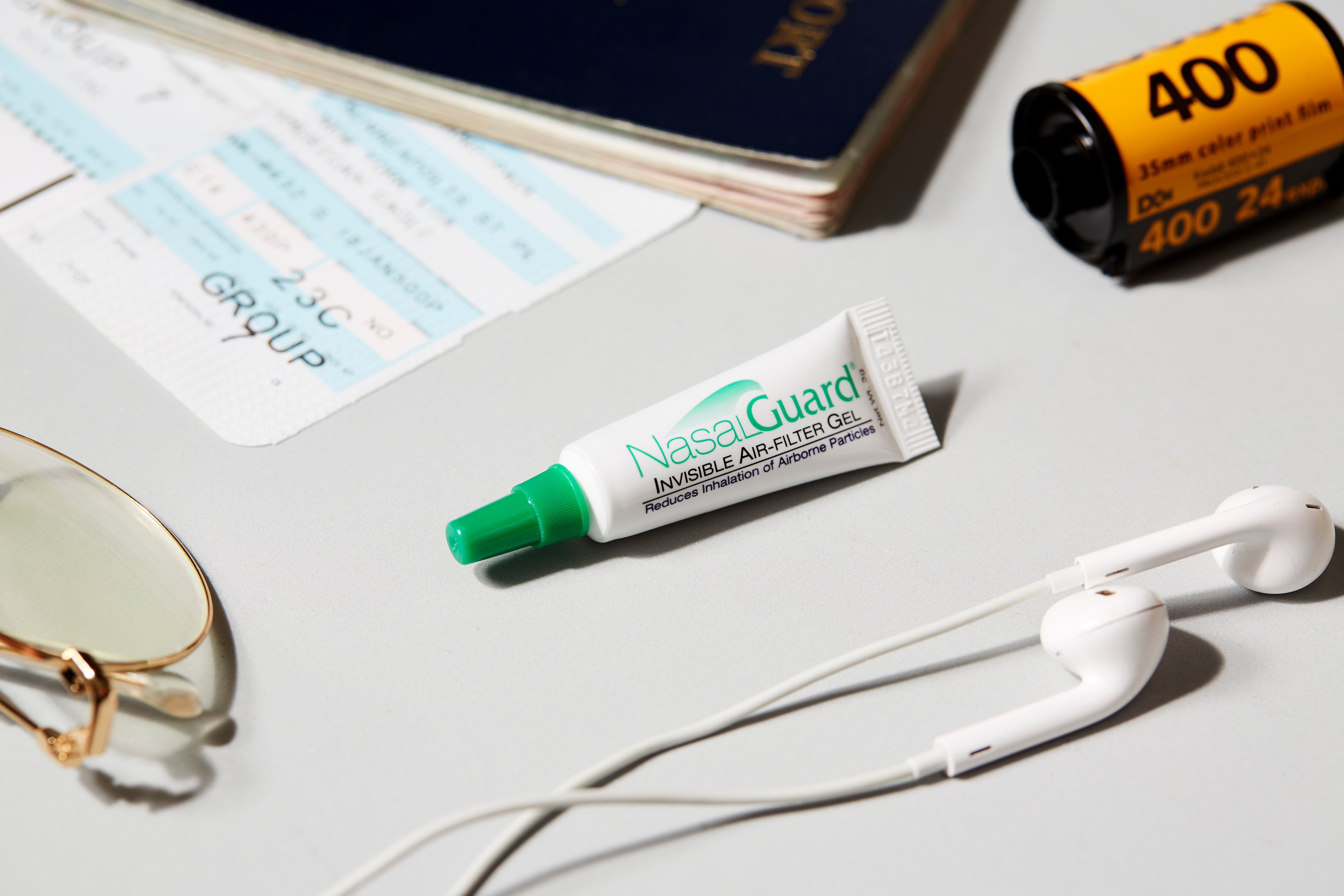
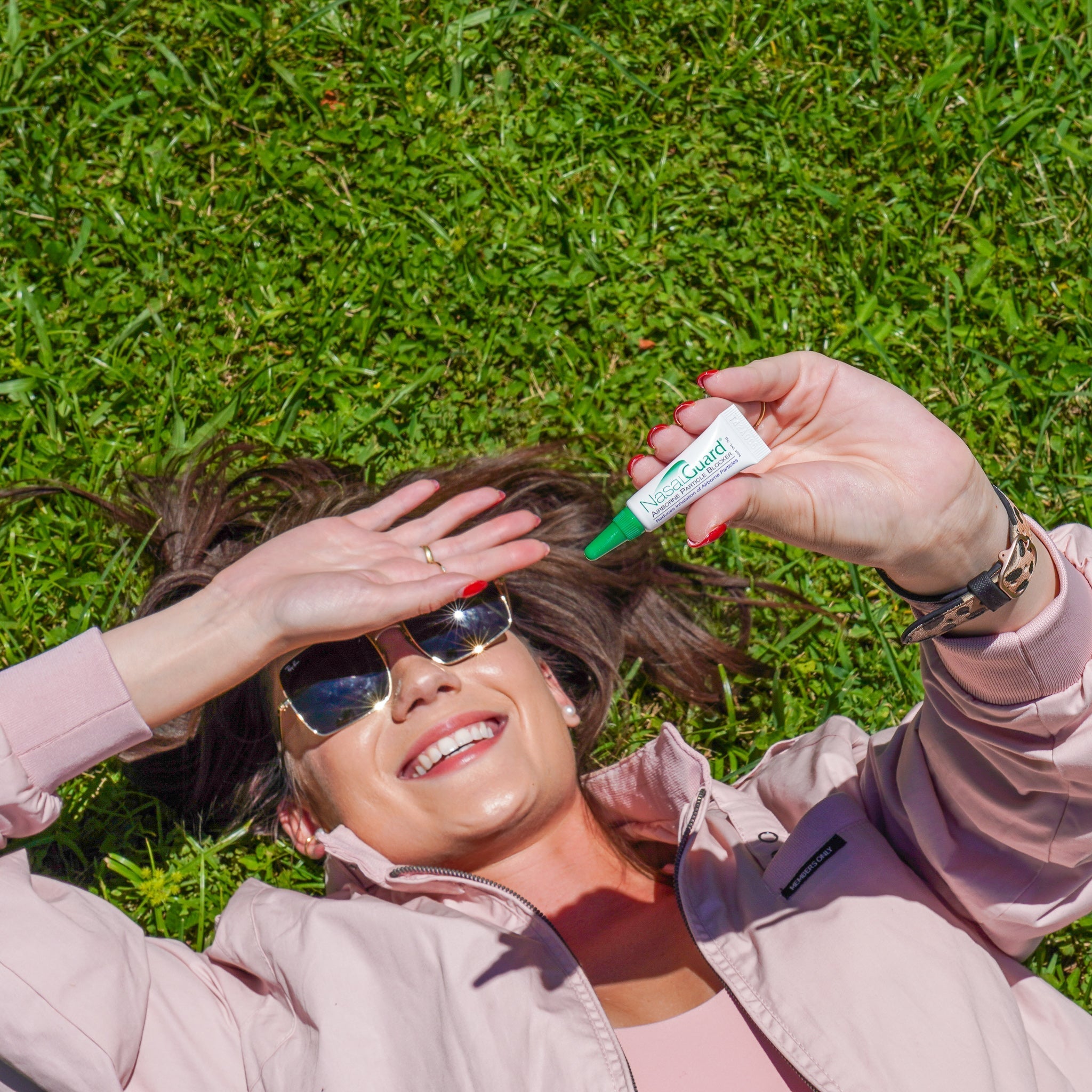
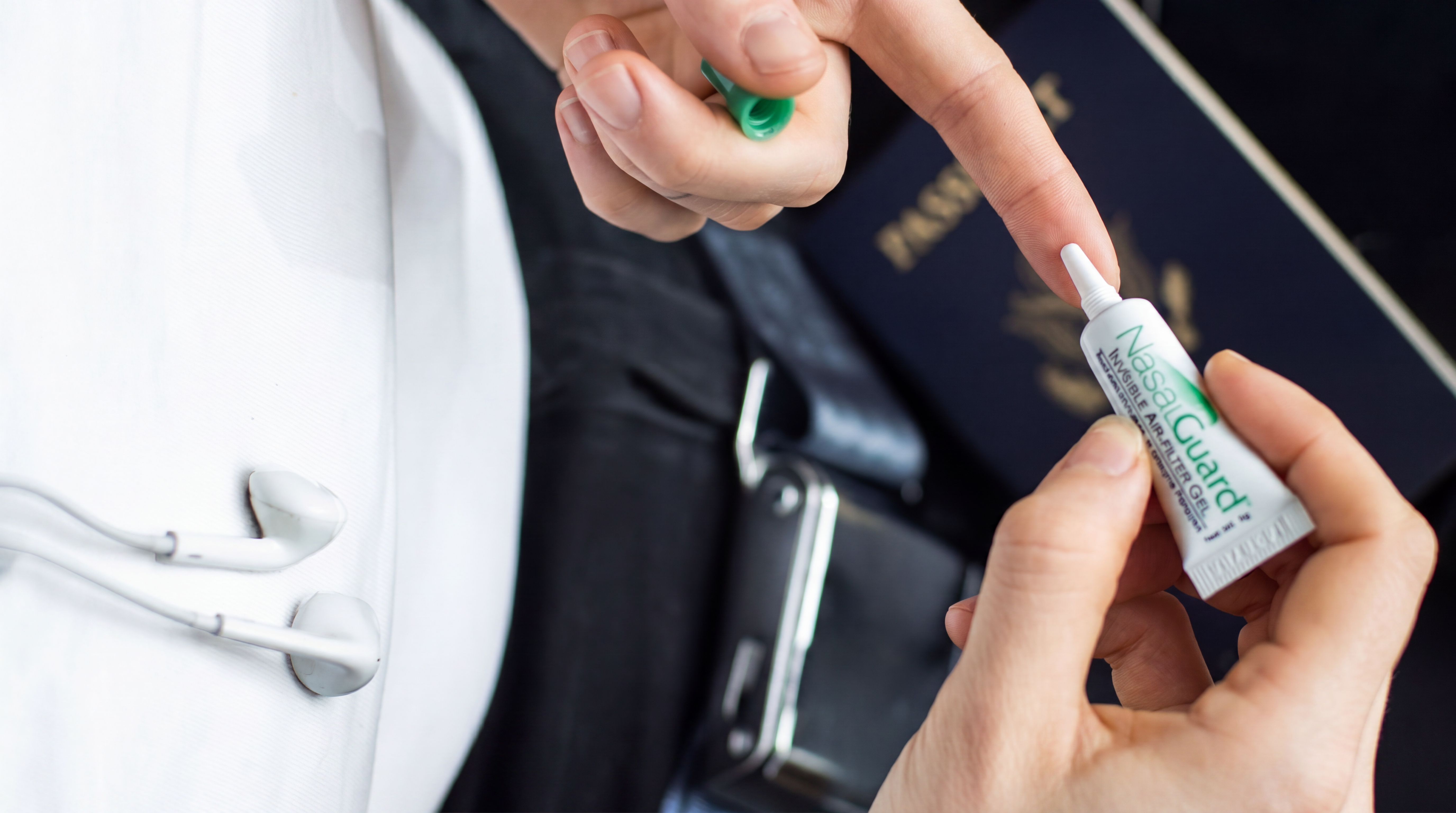
Discover how NasalGuard's electrostatic nasal gel creates an invisible barrier that may help reduce exposure to pollen, dust, and airborne particles before they enter your nose.
Every day, your nose is the first place where the air around you enters your body. Along with fresh air, it can also bring pollen, dust, pet dander, and other tiny airborne particles. For many people, these everyday particles can lead to discomfort, especially during allergy season or when air quality is poor.
This is where NasalGuard offers a different approach. Instead of working after allergens have already entered your body, it is designed to create an invisible nasal barrier around the nostrils. This physical layer may help reduce exposure to airborne particles before they reach the sensitive tissues of your nose.
Why Airborne Allergens Are a Daily Problem
Common Airborne Allergens That Enter Through the Nose
The air around us contains thousands of tiny particles that are too small to see. Many of them enter the body through the nose with every breath.
Some of the most common airborne allergens and irritants include:
• Tree, grass, and weed pollen
• Household dust
• Dust mites
• Pet dander from cats and dogs
• Mold spores
• Smoke particles
• Air pollution
• Fine airborne particles from traffic and construction
Because your nose filters the air you breathe, it is often the first place these particles make contact.
Many people notice more discomfort during spring and fall when pollen counts increase. Others experience symptoms year-round because of indoor dust, pets, or workplace environments.
Why Preventing Exposure Matters
Once airborne particles enter your nose, your body begins responding to them. While allergy medications can help manage symptoms for some people, another approach is reducing contact with allergens before they reach the nasal lining.
Creating a physical barrier may help reduce exposure to airborne particles. For people who spend time outdoors, commute daily, or work around dust, this proactive step can become part of an overall allergy management routine.
What Is a Nasal Allergy Blocker Gel?
A nasal allergy blocker gel is a non-medicated gel that is applied above the upper lips before exposure to airborne particles.
Rather than treating symptoms after they appear, these products are designed to create a gentle physical barrier that may help trap or capture particles as air passes through the nose.
Unlike nasal sprays that deliver medication, blocker gels focus on reducing contact between airborne particles and the nasal passages.
How It Differs From Allergy Medications
Many allergy products work after allergens have already entered your body.
Examples include:
• Antihistamines
• Steroid nasal sprays
• Decongestants
These products are medications and work differently depending on the active ingredients they contain.
NasalGuard takes another approach. It is an option that contains no antihistamines or steroids. Instead, it is designed to create an invisible nasal barrier that may help reduce exposure to pollen, dust, and other airborne particles.
Because it is non-medicated, many people choose to use it alongside other allergy management strategies after consulting their healthcare professional if needed.
How an Invisible Nasal Barrier Works
After a small amount of gel is applied around each nostril and the upper lip, it forms a thin, transparent layer.
As you breathe normally, airborne particles may become trapped within or slowed by this barrier before reaching deeper into the nasal passages.
The gel is invisible once applied correctly and is intended to feel comfortable during everyday activities.
How Does NasalGuard Work?
Understanding how NasalGuard works begins with its unique barrier technology.
Instead of relying on medicine, the gel combines a physical barrier with electrostatic technology to help interact with airborne particles.
Understanding Electrostatic Technology
Many airborne particles carry tiny electrical charges.
Electrostatic technology uses this natural property to help attract and hold certain airborne particles within the gel.
Think of it like the way small dust particles cling to certain surfaces because of static electricity.
The technology is designed to help attract and capture some airborne particles before they move farther into the nose.
This approach makes NasalGuard different from traditional allergy medicines because it focuses on reducing exposure rather than treating symptoms.
How the Gel Helps Capture Airborne Particles
When applied correctly, the airborne particle blocker gel creates a clear protective layer around the nostrils.
As air moves through the nose:
• Airborne particles enter the nostrils.
• The gel provides a physical surface where particles may become trapped.
• Electrostatic technology may help attract certain particles.
• Air continues through the nasal passages while the gel is designed to help reduce exposure to certain airborne particles.
While no barrier can stop every airborne particle, this approach may help reduce the amount that reaches the sensitive tissues of the nose.
What Can an Invisible Nasal Barrier Help Protect Against?
An invisible nasal barrier is designed to help reduce exposure to a variety of everyday airborne particles.
Pollen
Seasonal pollen is one of the most common triggers for nasal discomfort.
Whether it comes from grass, weeds, or trees, pollen can travel long distances in the air.
Applying NasalGuard before spending time outside may help reduce exposure during high pollen days.
Dust
Dust is present in nearly every indoor environment.
Activities such as cleaning, moving storage boxes, or home renovations can release additional dust into the air.
Using an airborne particle blocker gel before these activities may offer an extra layer of support.
Pet Dander
Pet dander consists of tiny flakes of skin shed by animals.
These particles remain suspended in the air and often collect on furniture, carpets, and clothing.
People visiting homes with pets or spending time around animals may choose to use NasalGuard before exposure.
Pollution and Airborne Particles
Urban environments often contain airborne particles from:
• Vehicle exhaust
• Construction work
• Smoke
• Industrial activity
• Fine dust
While NasalGuard is not an air filtration device, it is designed to act as a barrier that may help reduce exposure to everyday airborne particles.
Benefits of Using a Drug-Free Nasal Barrier Gel
Many people choose NasalGuard because it fits easily into their everyday routine.
Here are some practical benefits.
Non-Medicated Barrier Option
Because NasalGuard contains no antihistamines or steroids, it offers an alternative way to help reduce exposure to airborne particles.
This makes it appealing for people looking for a non-medicated option as part of their daily allergy management routine.
Easy Daily Use
Applying the gel takes only a few seconds.
Simply place a small amount around each nostril and upper lip before heading outside or entering an environment where airborne particles are common.
The gel is clear and designed to be discreet.
Suitable for Travel, Work, and Outdoor Activities
Many everyday environments expose you to airborne particles.
Examples include:
• Airplanes
• Public transportation
• Offices
• Schools
• Construction sites
• Parks
• Sporting events
• Hiking trails
• Gardening
Keeping a tube of NasalGuard with you makes it easy to apply whenever needed.
Who Can Benefit From NasalGuard?
Different people face different sources of airborne particles throughout the day.
Here are some groups that may find a nasal barrier gel useful.
Seasonal Allergy Sufferers
People affected by pollen often look for ways to reduce exposure before spending time outdoors.
Using NasalGuard before walks, gardening, or outdoor sports may help support that goal.
Frequent Travelers
Travel exposes people to crowded airports, airplanes, buses, and train stations where airborne particles are constantly circulating.
Many travelers include NasalGuard as part of their travel essentials because it is portable and easy to apply before boarding.
Outdoor Workers and Commuters
People who work outdoors or commute daily often encounter:
• Road dust
• Construction debris
• Air pollution
• Smoke
• Seasonal pollen
Applying the gel before leaving home may help reduce exposure throughout the day.
Tips for Getting the Best Results
Using the product correctly helps maximize its effectiveness.
When to Apply the Gel
Apply NasalGuard shortly before entering an environment where airborne particles are expected.
Examples include:
• Before going outside during pollen season
• Before cleaning dusty areas
• Before traveling
• Before commuting
• Before spending time with pets
• Before outdoor exercise
Following the directions on the product label helps ensure proper use.
How Often to Reapply
Reapplication depends on factors such as the environment, duration of exposure, and the instructions provided with the product.
If you spend several hours outdoors or are exposed to heavy dust or pollen, reapplying according to the product directions may help maintain the protective barrier.
Conclusion
Why an Invisible Nasal Barrier Can Be a Proactive Approach to Reducing Allergen Exposure
Managing exposure to airborne particles starts before you breathe them in.
Instead of waiting until allergens have already entered the nose, products like NasalGuard are designed to create an invisible nasal barrier that may help reduce exposure to pollen, dust, pet dander, pollution, and other everyday airborne particles.
Its combination of a physical gel barrier and electrostatic technology offers a different approach from traditional allergy medications. Because it is a drug-free option, many people choose to include it as part of their daily routine during work, travel, outdoor activities, and times of increased airborne allergen exposure.
If you are exploring practical ways to reduce contact with airborne particles, consider browsing our Airborne Particle Blocker Gels collection to learn more about the available options. You can also read our related guides on reducing pollen exposure and preparing for allergy season.
Frequently Asked Questions
What is a nasal allergy blocker gel?
A nasal allergy blocker gel is a non-medicated gel that is applied around the nostrils and upper lip to create a physical barrier. It is designed to help reduce exposure to airborne particles such as pollen, dust, and pet dander before they reach the nasal passages.
How does NasalGuard work?
NasalGuard combines a physical gel barrier with electrostatic technology. The gel is designed to create an invisible nasal barrier that may help capture airborne particles before they travel deeper into the nose.
Is NasalGuard a medicine?
No. NasalGuard is a non-medicated product. It is designed to help reduce exposure to airborne particles by creating a physical barrier, rather than using medicinal ingredients.
Can it help block pollen and dust?
NasalGuard is designed to help reduce exposure to airborne particles such as pollen, dust, pet dander, and other common environmental particles. While it may help capture many particles, it should not be expected to block all allergens.
Does NasalGuard act like an "air purifier for your nose"?
NasalGuard isn't an air filtration device; it's an invisible gel that forms a physical barrier designed to help capture and reduce exposure to everyday airborne particles like pollen, dust, and pet dander before they reach the nasal passages.
Is NasalGuard safe for everyday use?
When used according to the product directions, NasalGuard is designed for regular daily use. If you have ongoing nasal conditions, allergies to product ingredients, or questions about its suitability for your situation, consult a healthcare professional before use.