Every year, millions of people look for drug-free ways to manage pollen season as pollen levels begin to rise. Trees bloom in spring, grasses release pollen in summer, and weeds continue the cycle into fall. For many, this means more sneezing, itchy noses, watery eyes, and interrupted daily routines.
While allergy medications can be helpful for some people, not everyone wants to rely on medicine every day. Fortunately, there are practical, non-medicated ways to reduce exposure to pollen and support your allergy management routine.
In this guide, you'll learn what causes seasonal allergies, how to recognize pollen allergy symptoms, and which everyday habits may help you stay more comfortable during pollen season. You'll also discover how products like particle blocker gel options fit into a proactive, non-drowsy strategy for pollen season.
What Causes Seasonal Allergies?
Common Pollen Sources Throughout the Year
Seasonal allergies occur when your immune system reacts to pollen released by certain plants. These tiny particles travel through the air and enter your nose and eyes as you breathe.
Different plants release pollen during different times of the year.
Spring
Trees such as oak, birch, cedar, maple, and elm produce large amounts of pollen.
Summer
Grass pollen becomes one of the most common triggers.
Fall
Weeds like ragweed release pollen that can travel for miles in the wind.
Even if you don't live near fields or forests, pollen can still reach urban neighborhoods and indoor spaces through open windows, clothing, and pets.
Why Allergy Symptoms Become Worse During Pollen Season
On dry, windy days, pollen spreads easily through the air. Higher pollen counts increase the chance of exposure, especially if you spend time outdoors.
Rain may temporarily lower airborne pollen levels, but warm, sunny weather often leads to increased pollen production afterward.
Understanding when pollen levels are highest can help you plan outdoor activities more comfortably.
Common Pollen Allergy Symptoms
Sneezing, Runny Nose, Itchy Nose, and Watery Eyes
One of the first signs of pollen exposure is irritation inside the nose.
Common pollen allergy symptoms include:
● Sneezing
● Runny nose
● Stuffy nose
● Itchy nose
● Watery eyes
● Itchy throat
● Mild coughing caused by postnasal drip
These symptoms vary from person to person. Some people experience only mild discomfort, while others notice symptoms almost every day during allergy season.
How Seasonal Allergies Can Affect Your Daily Routine
When symptoms become frequent, they can interfere with everyday life.
People often report difficulty during:
● Morning walks
● Outdoor exercise
● Gardening
● Commuting
● Sporting events
● Family picnics
● Outdoor work
Some allergy medications may also cause drowsiness, making it harder to stay focused at work, school, or while driving. That is one reason many people explore non-drowsy options that fit into their daily routine
Drug-Free Ways to Beat Pollen Season
There is no single solution that works for everyone. Instead, combining several practical habits often provides the best support for managing pollen exposure.
Monitor Local Pollen Counts
Checking your local pollen forecast can help you decide when outdoor activities are less likely to expose you to high pollen levels.
Many weather websites and smartphone apps include daily pollen forecasts.
On days with very high pollen counts, consider limiting unnecessary outdoor time, especially during the morning when pollen levels are often highest.
Reduce Pollen Exposure Indoors and Outdoors
Small lifestyle changes can make a noticeable difference.
Outdoors:
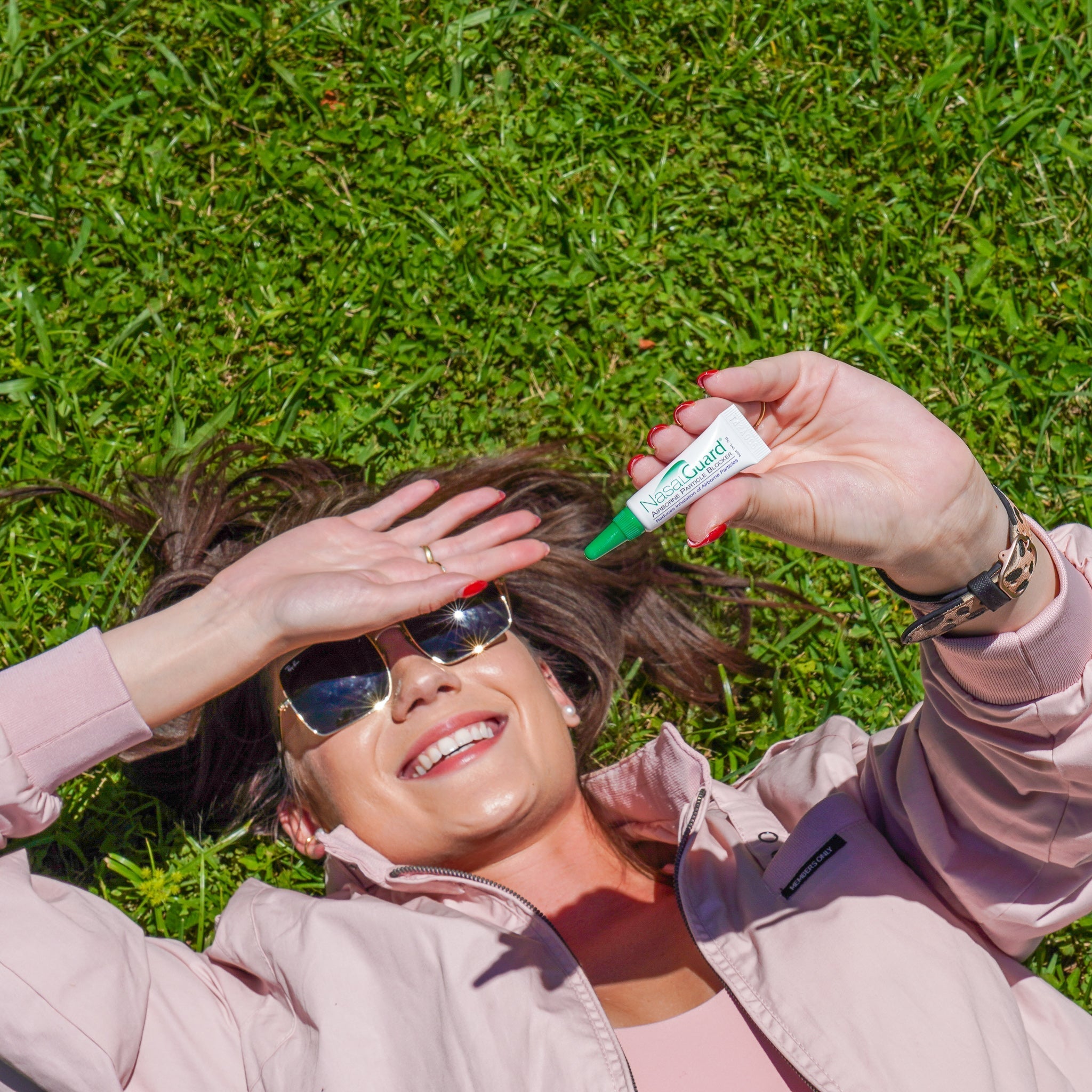
● Wear sunglasses to help reduce pollen reaching your eyes.
● Keep car windows closed during high pollen days.
● Shower after spending extended time outside.
● Change clothes after gardening or yard work.
Indoors:
● Keep windows closed during peak pollen season.
● Vacuum regularly using a vacuum with a quality filter.
● Wash bedding frequently.
● Wipe down surfaces where pollen may collect.
● Avoid drying clothes outside when pollen counts are high.
These simple habits may help reduce the amount of pollen you bring into your home.
Simple Daily Habits That Can Help Minimize Allergen Exposure
Consistency matters during allergy season.
Helpful habits include:
● Planning outdoor activities after rainfall when pollen levels are temporarily lower.
● Wearing a hat outdoors to reduce pollen collecting in your hair.
● Avoiding lawn mowing if grass pollen affects you.
● Drinking enough water to stay comfortable.
● Following your healthcare provider's allergy management plan if you have one.
Many people also choose natural allergy remedies such as saline nasal rinses, indoor air purifiers, or barrier products that help reduce exposure before pollen reaches the nose.
How Nasal Barrier Gels Help Protect Against Airborne Allergens
Among today's drug-free options for managing pollen season, nasal barrier gels offer a unique approach because they focus on reducing exposure rather than treating symptoms.
What Is an Invisible Nasal Barrier?
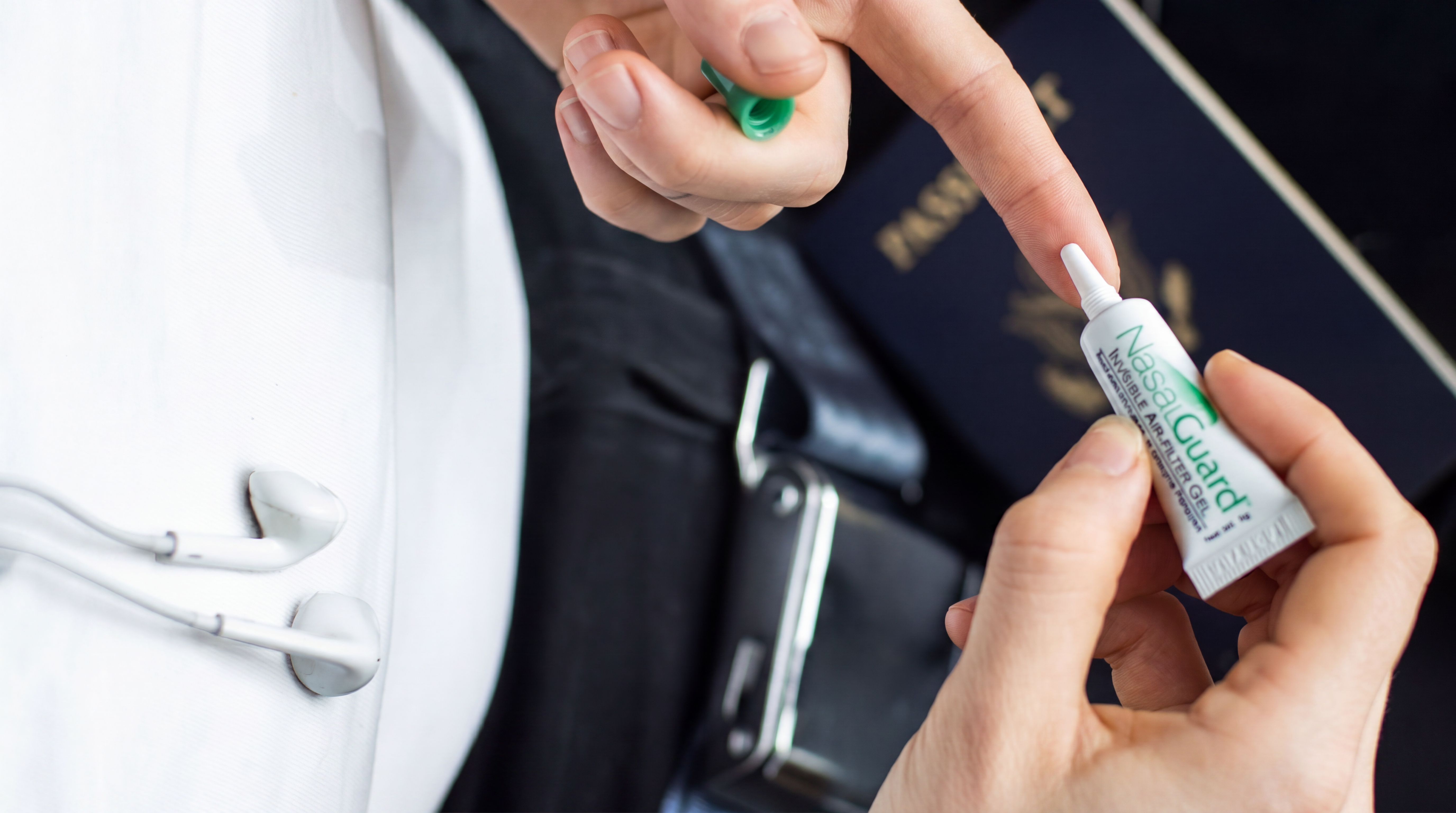
An invisible nasal barrier is created by applying a small amount of gel around each nostril and upper lip before entering environments where pollen is present.
The clear gel forms a thin physical layer around the nose.
As you breathe, airborne pollen and other particles may become trapped in this layer before reaching sensitive nasal tissues.
Unlike medicated nasal sprays, these gels are designed to provide a physical barrier instead of delivering medication.
If you'd like to learn more about how this technology works, read our guide: What Is NasalGuard? How an Invisible Nasal Gel Blocks Airborne Allergens.
How Positive Ion Technology Helps Capture Airborne Pollen
NasalGuard uses Positive Ion Technology in addition to the physical gel barrier.
In simple terms, the gel is designed to help attract and hold certain airborne particles using natural static properties.
This combination of a physical barrier and positive ion technology may help reduce exposure to pollen, dust, pet dander, and other airborne particles before they move farther into the nose.
While no product can block every airborne particle, this proactive approach can support your overall allergy management routine.
Why Choose a Drug-Free Approach?
Many people prefer starting with simple lifestyle strategies before considering additional options.
Non-Drowsy Support for Work, School, and Travel
Because NasalGuard is non-medicated, it does not contain antihistamines or other medicinal ingredients that are commonly associated with drowsiness.
Whether you're:
● Driving
● Working in an office
● Attending school
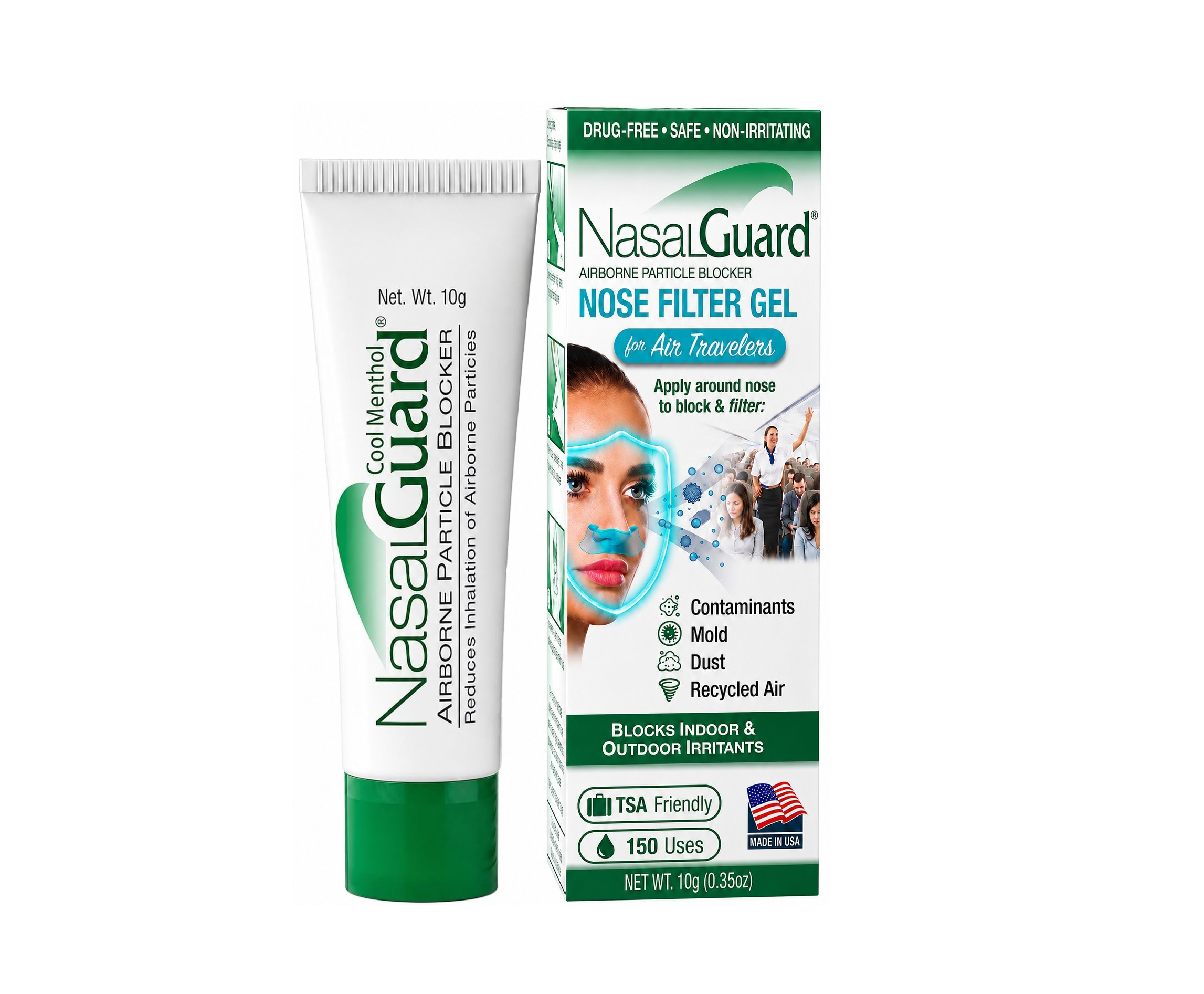
● Traveling by plane
● Hiking outdoors
● Spending time with family
A non-medicated option may fit naturally into your daily routine.
Can Be Used Alongside Your Existing Allergy Management Routine
Barrier gels are designed to complement, not replace, your existing allergy management plan.
Many people choose to use them alongside lifestyle measures such as monitoring pollen counts, keeping windows closed, or following guidance from their healthcare provider.
If you currently use allergy medications and have questions about adding a nasal barrier gel, consult your healthcare professional.
Choosing the Right Airborne Particle Blocker Gel
Not all users have the same preferences. Choosing the right product often comes down to comfort and personal routine.
Cool Menthol vs. Unscented: Which Option Fits Your Needs?
Many people appreciate having different options depending on the situation.
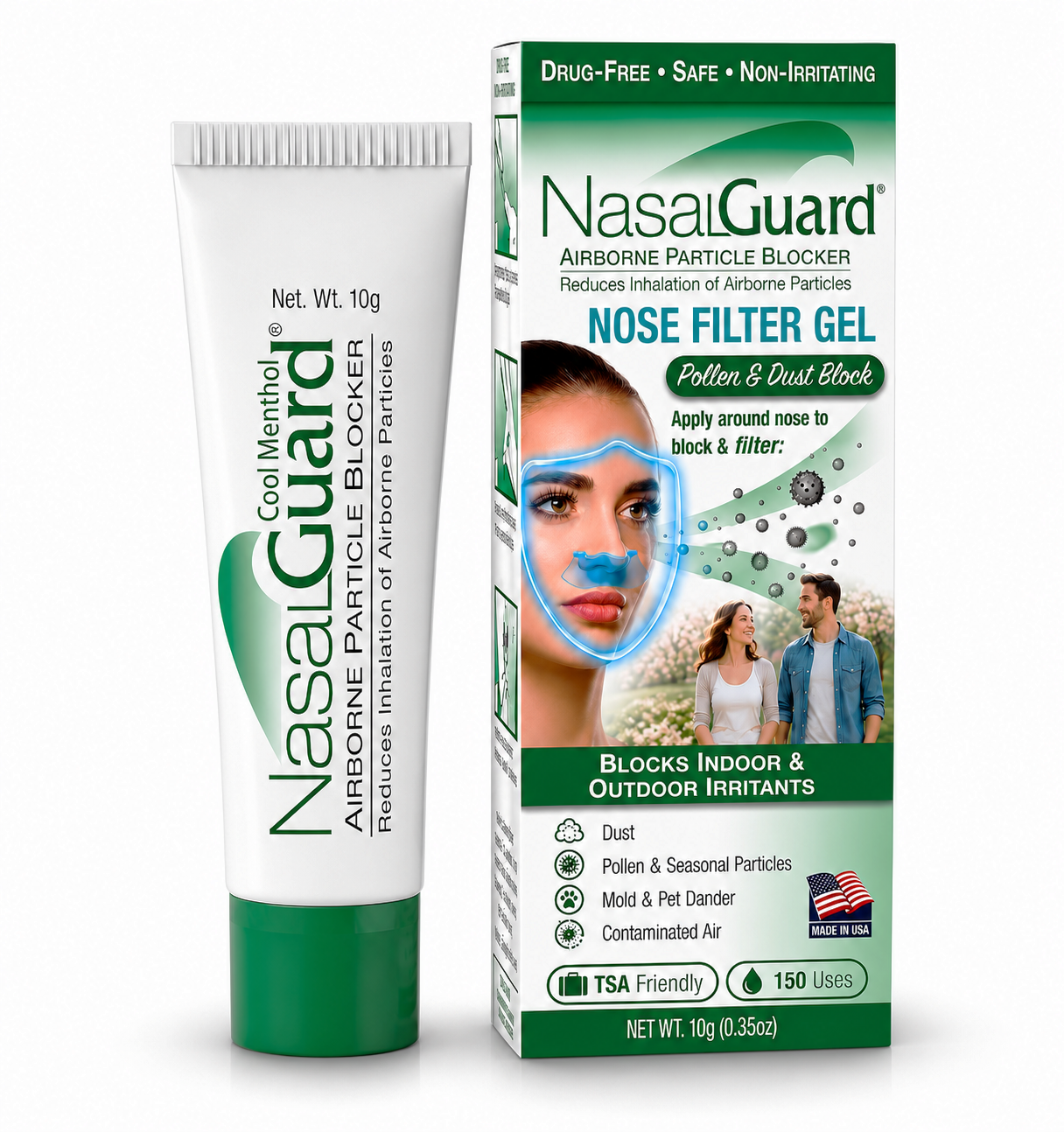
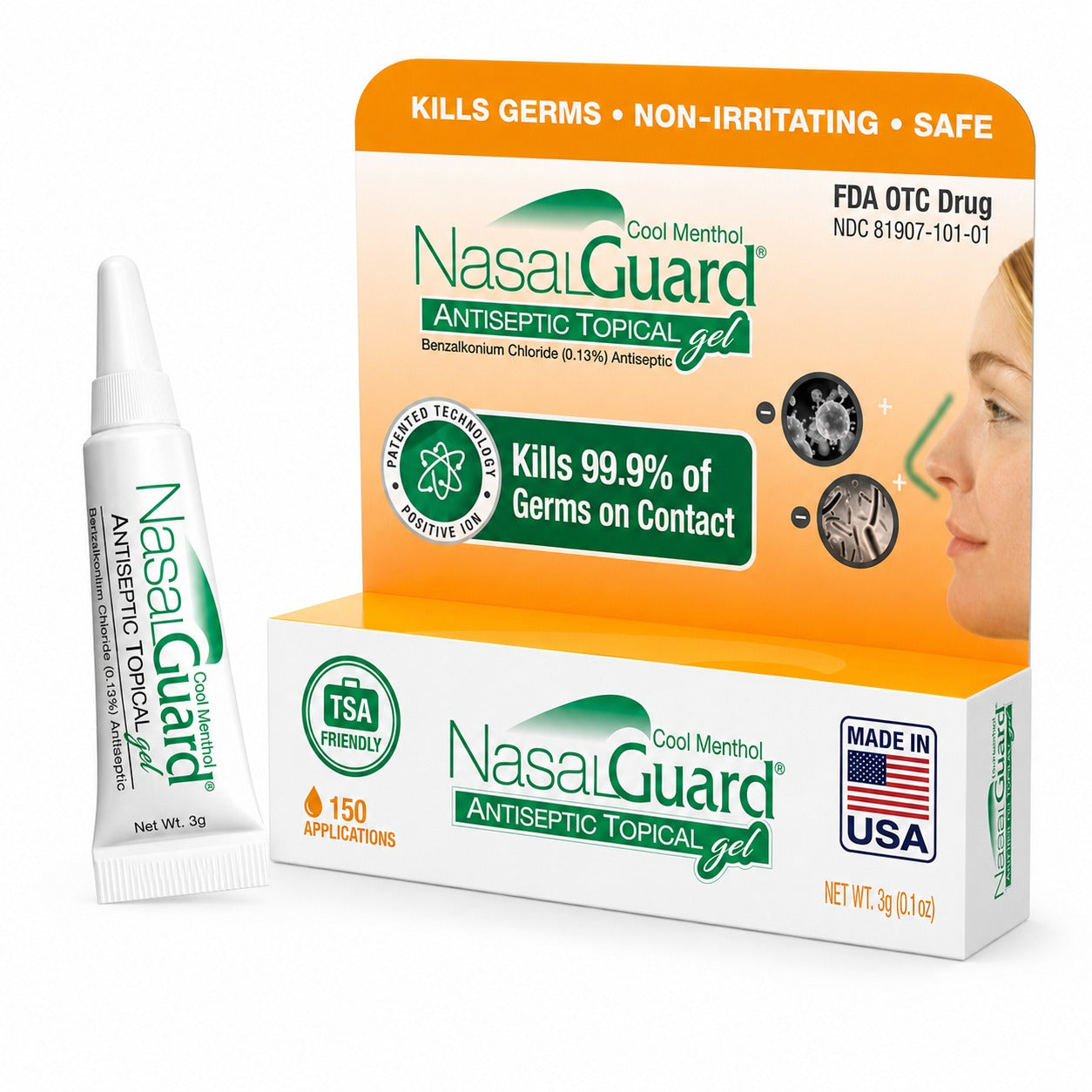
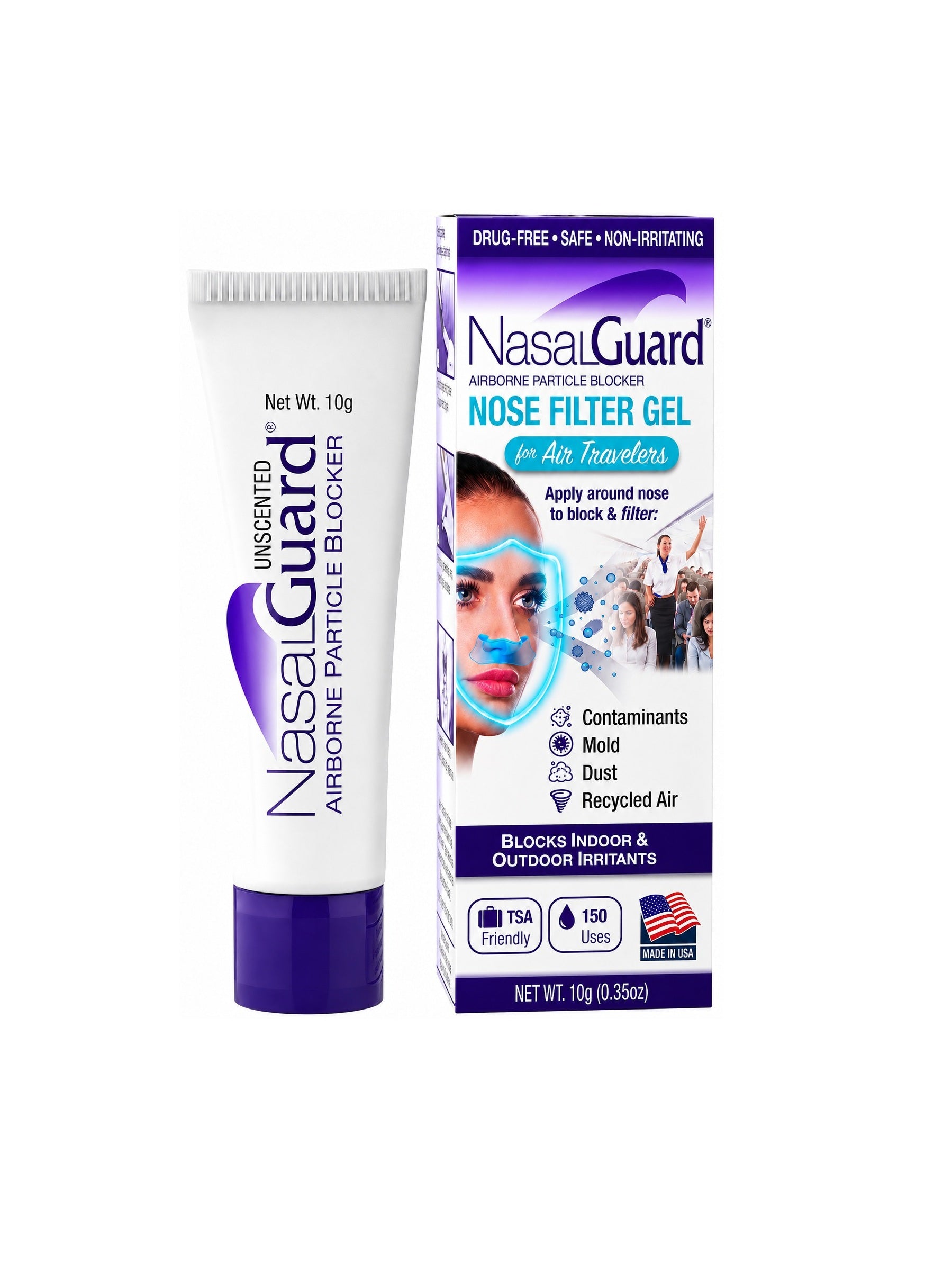
Cool Menthol Airborne Particle Blocker Gel
Provides a refreshing menthol sensation that some users enjoy, especially during outdoor activities or warm weather.
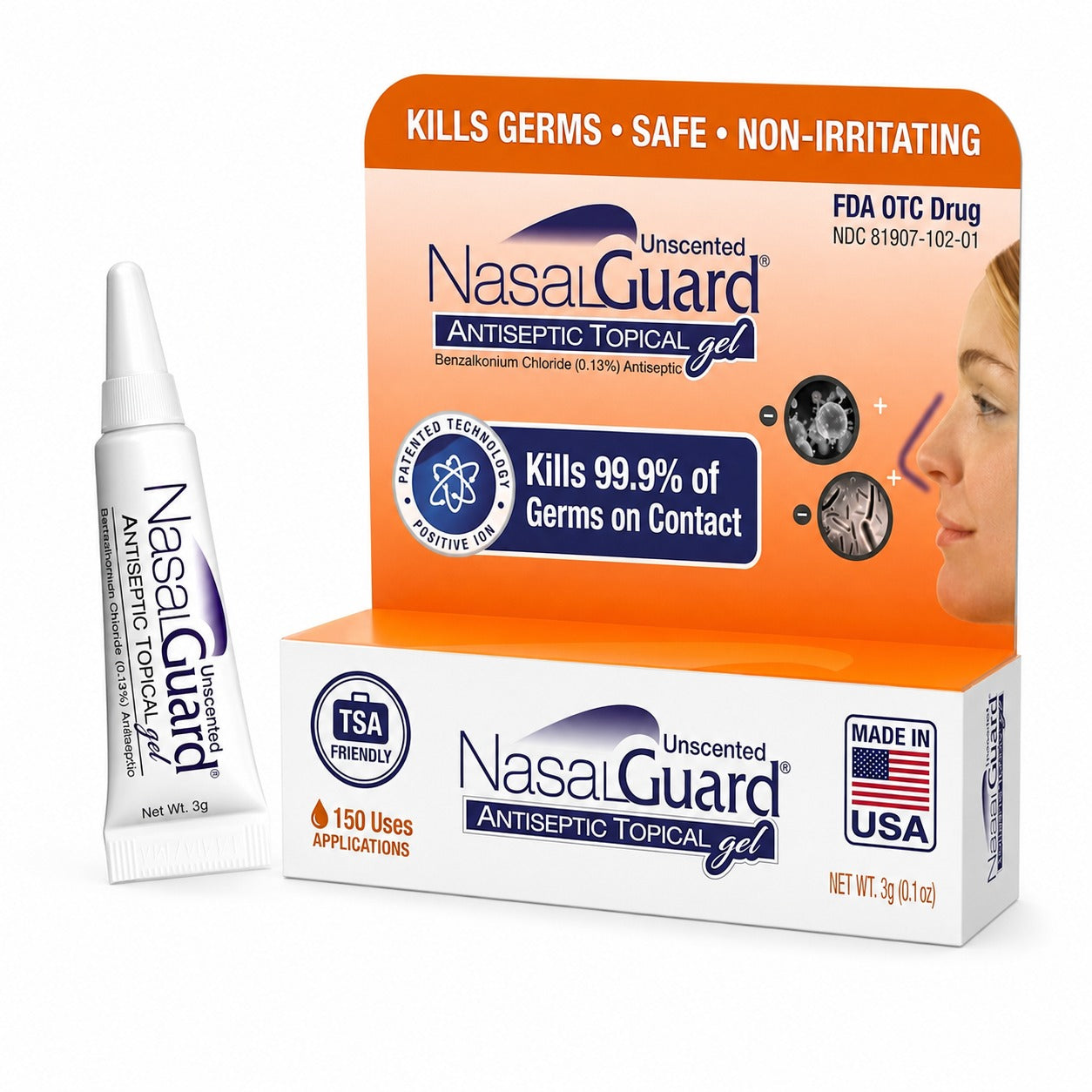
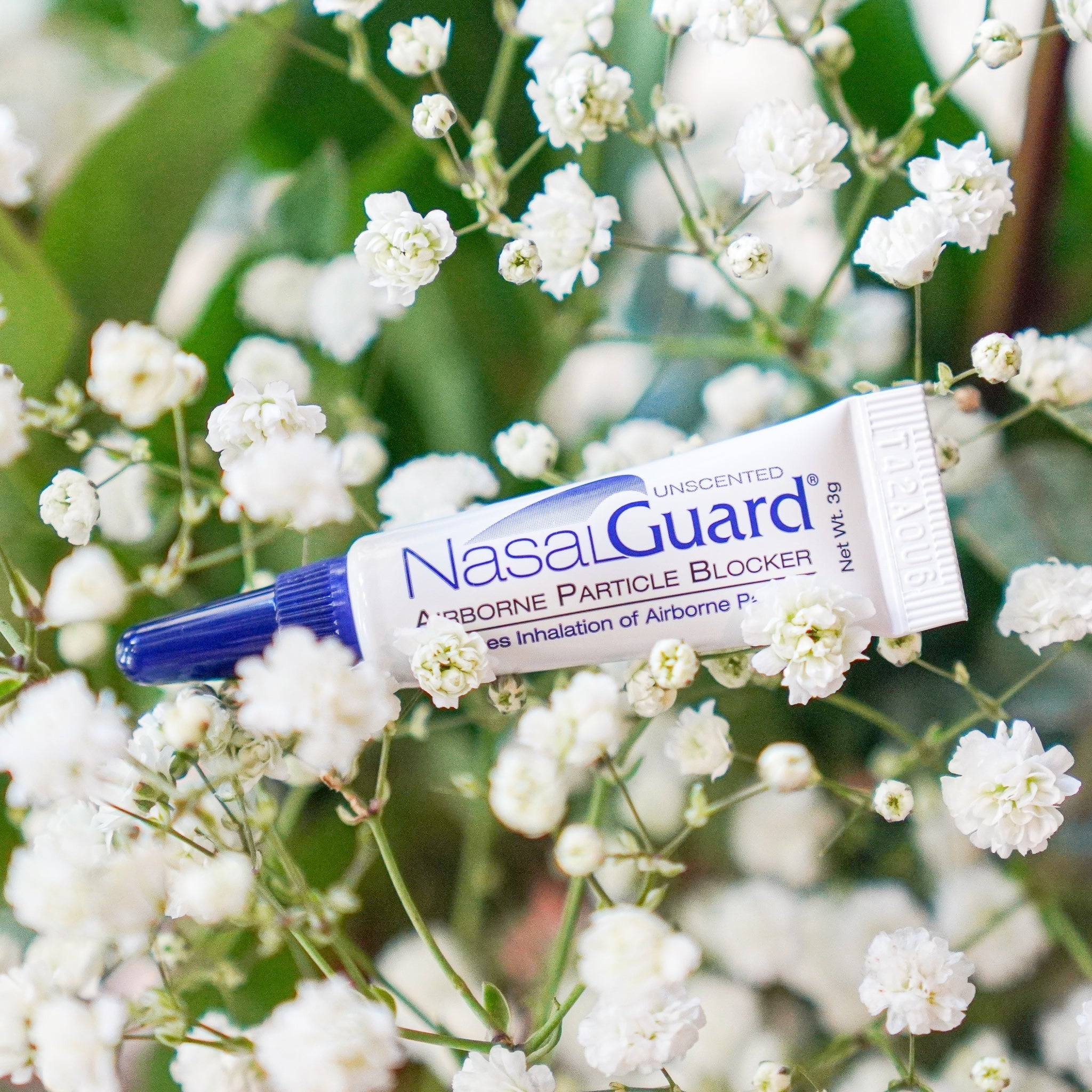
Unscented Airborne Particle Blocker Gel
Ideal for those who prefer a fragrance-free option or are sensitive to scents.
Both options are designed to create an invisible nasal barrier that may help reduce exposure to airborne particles during everyday activities.
Tips for Applying Nasal Gel Before Pollen Exposure
For best results:
● Apply a small amount outside each nostril before going outdoors.
● Follow the directions on the product label.
● Reapply according to the instructions, especially after extended outdoor exposure.
● Carry the tube with you during travel or long days outside.
Applying the gel before potential pollen exposure allows it to form its intended physical barrier outside the nostrils.
For more seasonal protection strategies, check out our guide on protecting yourself from wildfire smoke and other airborne particles.
Conclusion
Stay One Step Ahead of Pollen Season With a Proactive, Drug-Free Approach
Managing seasonal allergies often includes taking steps to reduce exposure to pollen and other airborne allergens.
Simple habits like checking pollen forecasts, keeping indoor spaces clean, changing clothes after outdoor activities, and planning your day around pollen levels can make a meaningful difference.
Adding NasalGuard may provide another layer of support by creating an invisible nasal barrier designed to help reduce exposure to airborne allergens. Available in both Cool Menthol and Unscented options, these products offer a practical, non-drowsy option that can fit into work, school, travel, and outdoor routines.
If you're looking for a proactive way to support your allergy management plan, explore our Cool Menthol and Unscented Airborne Particle Blocker Gels collection. You can also read our guide on What Is NasalGuard? How an Invisible Nasal Gel Blocks Airborne Allergens to learn more about how nasal barrier technology works.
Our goal is to provide trusted, practical information that helps you make informed decisions about managing pollen exposure. If you have questions about choosing the right product or how a nasal barrier gel may fit into your routine, our team is here to help. Contact us today or browse our collection to find the option that best matches your needs.
Frequently Asked Questions
What is the best drug-free approach to pollen season?
There is no one-size-fits-all solution. Many people combine practical steps such as monitoring pollen counts, keeping windows closed, showering after outdoor activities, using saline rinses, and applying a nasal barrier gel designed to help reduce exposure to airborne pollen.
How can I reduce pollen allergy symptoms naturally?
You may help reduce pollen exposure by checking daily pollen forecasts, avoiding outdoor activities during peak pollen times, washing pollen off your skin and clothing after spending time outside, and using physical barrier products that support allergy management.
Do nasal barrier gels help with seasonal allergies?
Nasal barrier gels are designed to create a physical layer outside the nostrils that may help reduce exposure to airborne allergens such as grass, weed and tree pollen. They are intended to support allergy management rather than treat allergy symptoms.
Are nasal allergy blocker gels safe for everyday use?
When used according to the product directions, nasal barrier gels are generally designed for regular daily use. If you have ongoing nasal conditions or questions about whether the product is suitable for you, speak with your healthcare professional.
Can I use a nasal barrier gel with allergy medication?
Many people use nasal barrier gels alongside their existing allergy management routine. If you are taking prescription or over-the-counter allergy medications and are unsure whether a nasal barrier gel is appropriate for you, consult your healthcare provider for personalized advice.
What are some hay fever relief options that don't involve medication?
If you're looking for hay fever relief without medication, you can try checking daily pollen forecasts, keeping windows closed during high pollen days, showering after spending time outdoors, using saline nasal rinses, and applying a nasal barrier gel. Products like NasalGuard are designed to create an invisible nasal barrier that may help reduce exposure to airborne pollen as part of your overall allergy management routine. It is important to note that NasalGuard does not cure hay fever or treat allergic reactions. Instead, it is designed to help reduce exposure to airborne allergens before they enter the nose.