Homes with pets come with a familiar, ongoing presence: pet dander. As one of the most common everyday airborne particles, pet dander is worth understanding on its own terms, including what it is, how it moves through the air, and how it fits into the broader topic of pet dander and airborne particles alongside dust and pollen.
What Is Pet Dander?
Understanding Pet Dander
Pet dander consists of tiny flecks of skin shed by animals with fur or feathers. It's a natural part of having a pet, similar to how people shed skin cells regularly. Dander is microscopic, lightweight, and can be found in nearly any home where animals live.
How Pet Dander Can Become Airborne
Because dander flakes are so small and light, they can easily lift into the air when a pet moves, shakes, or grooms itself. Everyday activities like vacuuming, walking across a carpet, or even a draft from an open window can stir dander into the air, where it may remain suspended for some time before settling back onto furniture, floors, and fabrics.
Pet Dander as an Everyday Airborne Particle
Airborne pet dander is one of the most common types of particles found in homes with pets. It's considered a normal part of pet ownership, much like dust or pollen is a normal part of indoor and outdoor environments.
Where Can Airborne Pet Dander Be Found?
Indoor Environments
Indoor spaces with pets tend to have higher concentrations of dander, particularly in rooms where animals spend the most time. Ventilation, airflow, and cleaning habits all play a role in how much dander circulates in the air at any given time.
Homes With Pets
In homes with pets, dander can settle on carpets, upholstery, bedding, and curtains, and can become airborne again when these surfaces are disturbed. This is a routine part of sharing a living space with an animal.
Shared Indoor Spaces
Beyond individual homes, pet dander exposure can also happen in shared indoor spaces such as offices, waiting rooms, or public transportation, particularly when pets are commonly present or when dander is carried in on clothing.

Pet Dander and Other Everyday Airborne Particles
Pet Dander and Dust
Pet dander often mixes with household dust, since both are lightweight particles that settle on similar surfaces. Together, they make up a large portion of what's commonly found in indoor air.
Pet Dander and Pollen
While pollen comes from an entirely different source, plants rather than animals, it shares physical similarities with pet dander: both are small, lightweight, and capable of remaining airborne for extended periods, especially indoors with limited airflow.
Understanding Different Airborne Particles
Pollen and dust are two of the most frequently discussed airborne particles alongside pet dander, and together they represent some of the most common everyday particles people encounter both indoors and outdoors.
Everyday Ways to Be Mindful of Airborne Particles
Understanding Your Environment
Being aware of general conditions like humidity, airflow, and cleanliness can help you build a better sense of what particles might be present in a space, especially in homes with pets.
Everyday Cleaning and Airflow Habits
Routine habits such as vacuuming regularly, washing pet bedding, and maintaining good ventilation can support a more comfortable indoor environment. These are simply everyday parts of home upkeep rather than specialized interventions.
Adding a Barrier Step to Your Routine
Some people choose to add another step to their everyday routine around common airborne particles like pet dander, dust, and pollen. This is one of many small habits people build into their day, alongside cleaning and ventilation practices.
How NasalGuard Airborne Particle Blocker Fits Into a Routine
An Externally Applied Gel Barrier
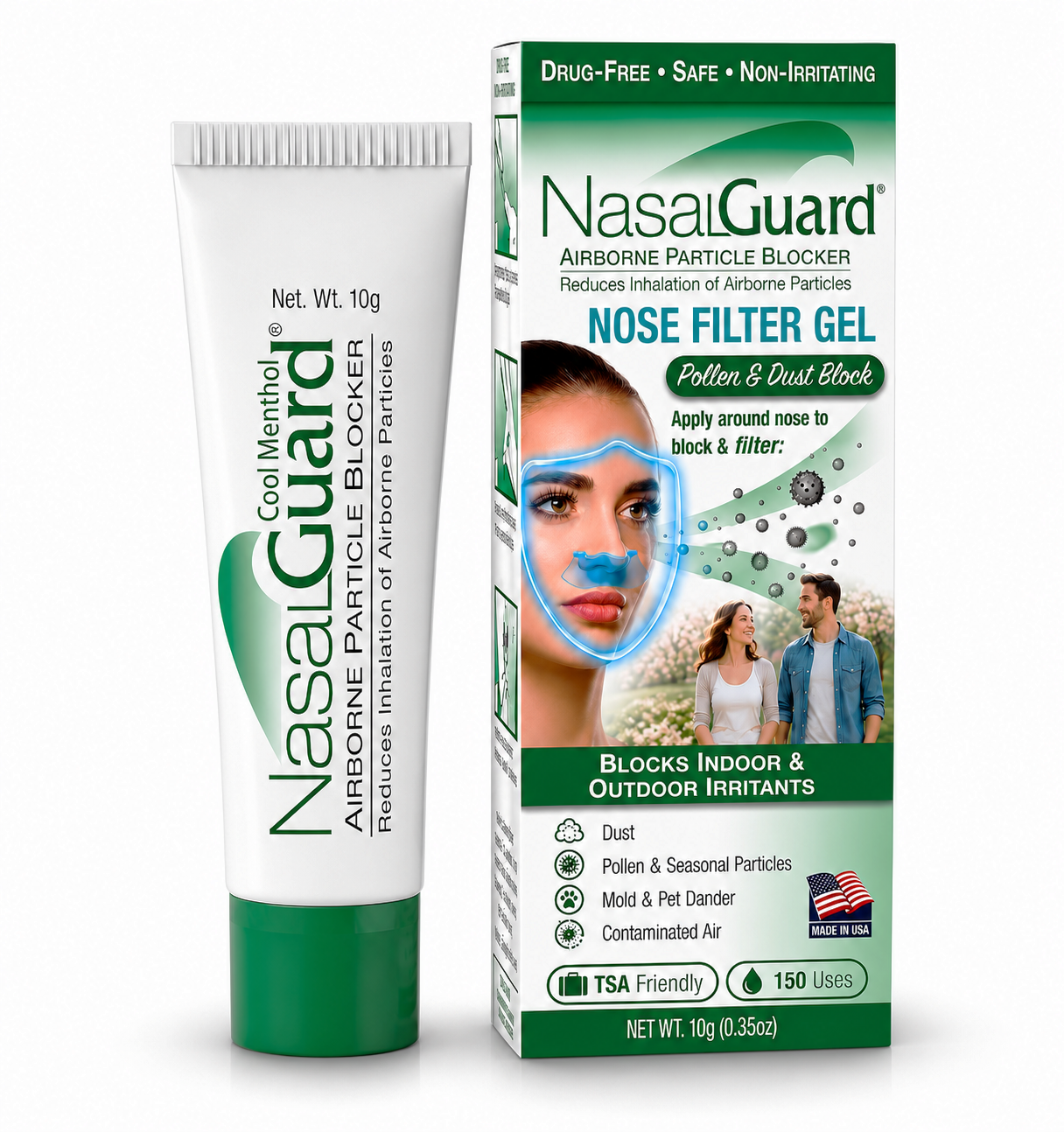
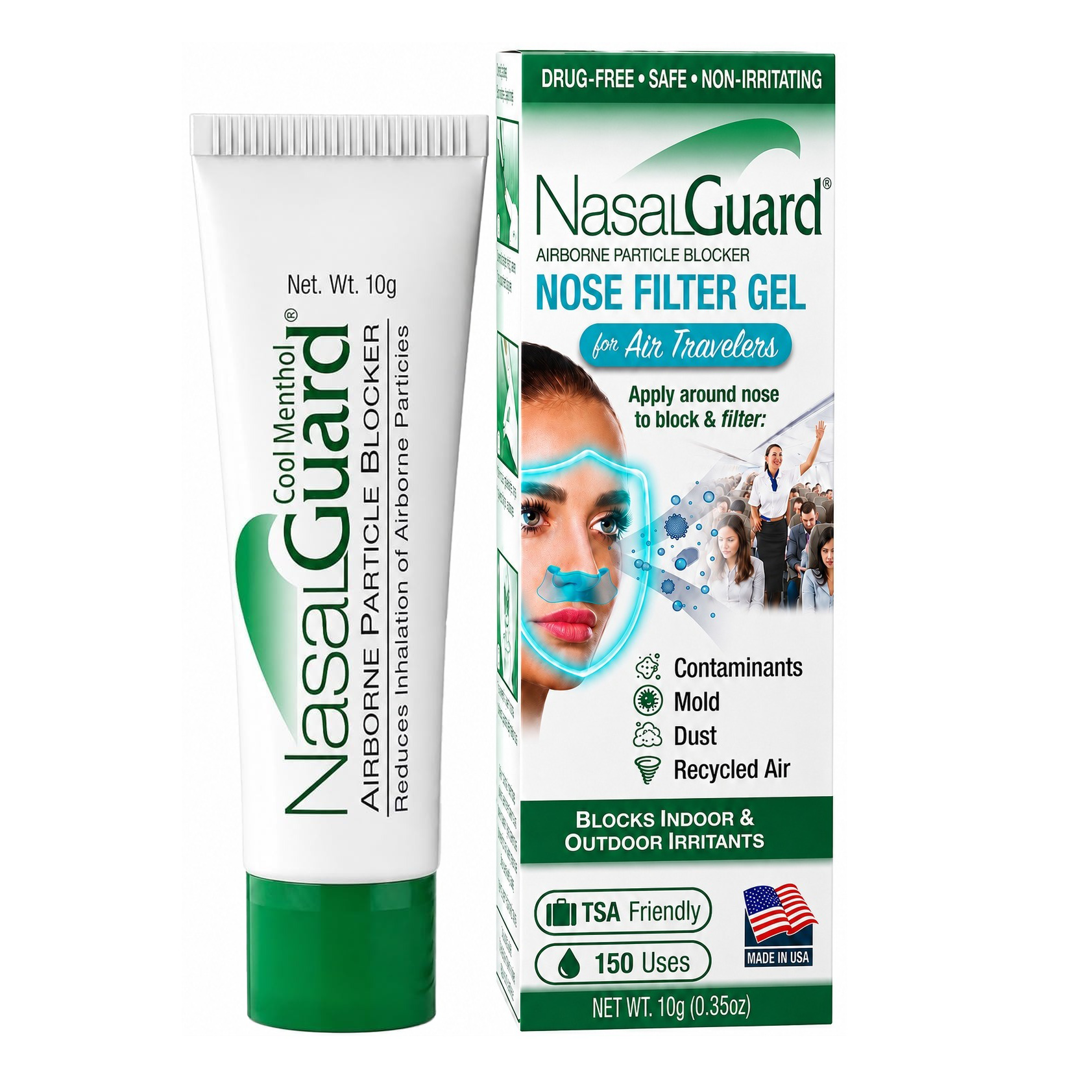
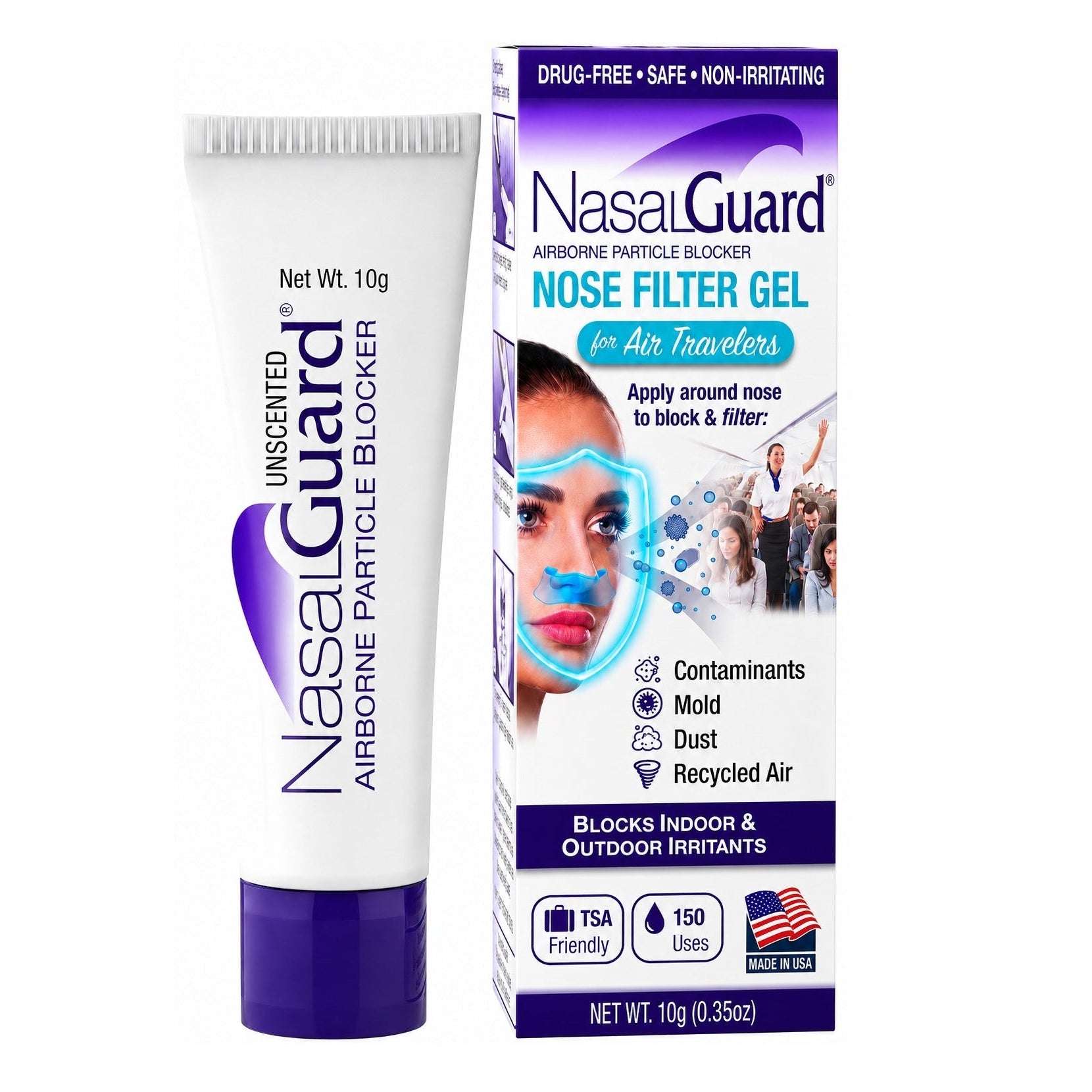
NasalGuard Airborne Particle Blocker is an externally applied gel, designed to be used on the outside of the nose rather than inside the nasal passage. It's a simple addition some people incorporate into their daily routine, particularly around pets.
A Barrier Step for Everyday Airborne Particles
The gel is formulated to work with everyday airborne particles such as pet dander, dust, and pollen, the kinds of particles many people encounter regularly indoors and outdoors.
Designed to Help
NasalGuard Airborne Particle Blocker is designed to help reduce inhalation of these everyday airborne particles as part of a broader daily routine.
How NasalGuard Airborne Particle Blocker Works
Positive Ion Barrier Technology
NasalGuard uses positive ion barrier technology, which creates an invisible barrier around the nostrils designed to help interact with and reduce inhalation of airborne particles.
The Invisible Gel Barrier
Once applied, the gel forms an invisible layer around the outside of the nose. It's not noticeable to others and doesn't change the way your nose looks or feels day to day.
How to Apply NasalGuard Airborne Particle Blocker
Applying the Gel Around the Outside of the Nostrils
Apply a small amount around the outside of the nostrils and above the upper lip. Reapply after 4+ hours or after washing your face.
Applying It Above the Upper Lip
The area above the upper lip is included in application to help extend the barrier's coverage around the nose.
When a Pet Dander Barrier Step May Fit Your Routine
At Home
Some people like to apply NasalGuard Airborne Particle Blocker as part of their morning routine, particularly in homes where pets spend a lot of time indoors.
Around Indoor Environments
Shared indoor spaces where pets are commonly present, such as a friend's home or a pet-friendly workspace, are another everyday scenario where people may choose to include this step.
During Everyday Activities
Activities like grooming a pet, vacuuming, or cleaning pet bedding are moments when dander is more likely to become airborne, making them another point in the day when some people include a barrier step.

NasalGuard Airborne Particle Blocker Options
Unscented Option
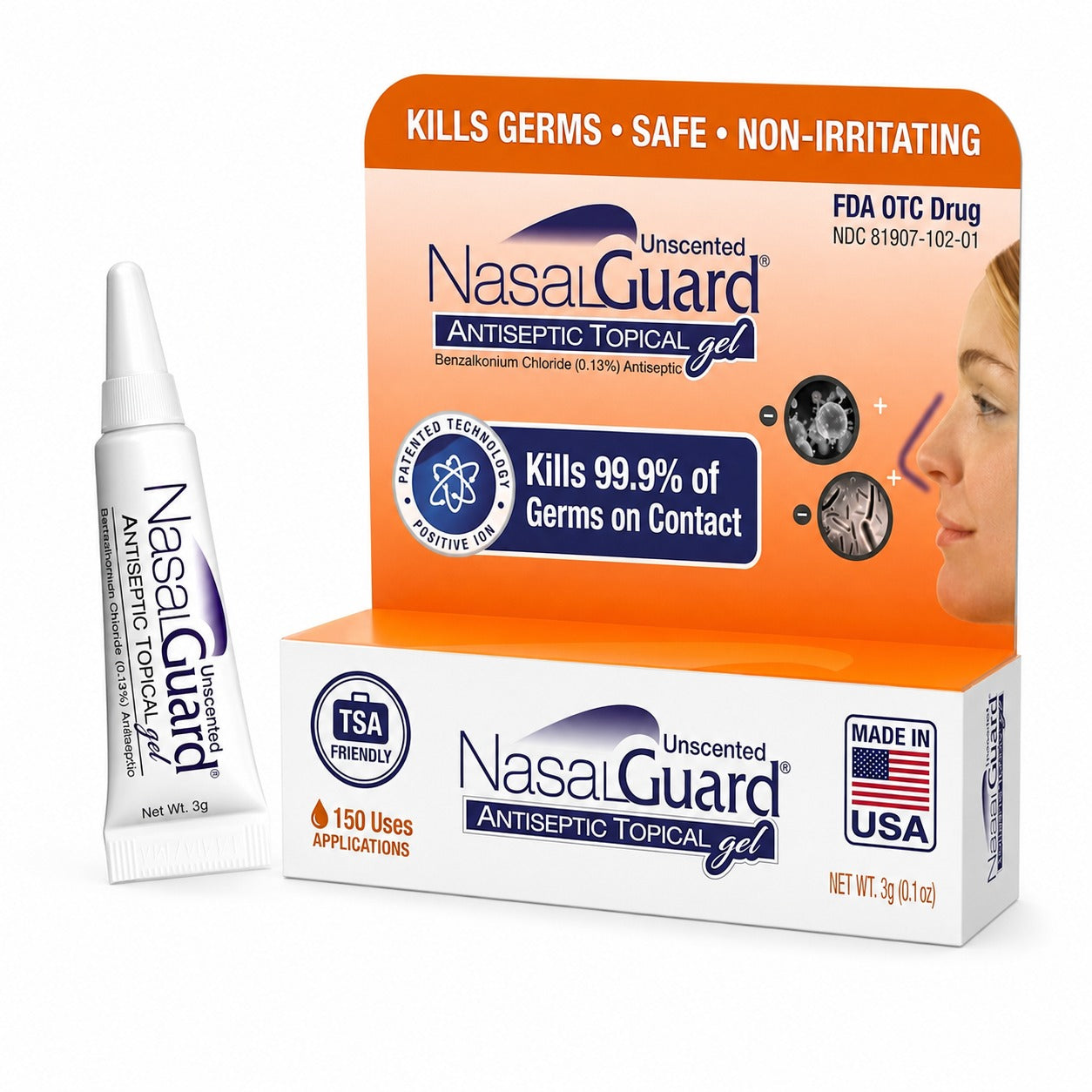
For those who prefer a fragrance-free experience, NasalGuard offers an unscented version of the gel.
Cool Menthol Option
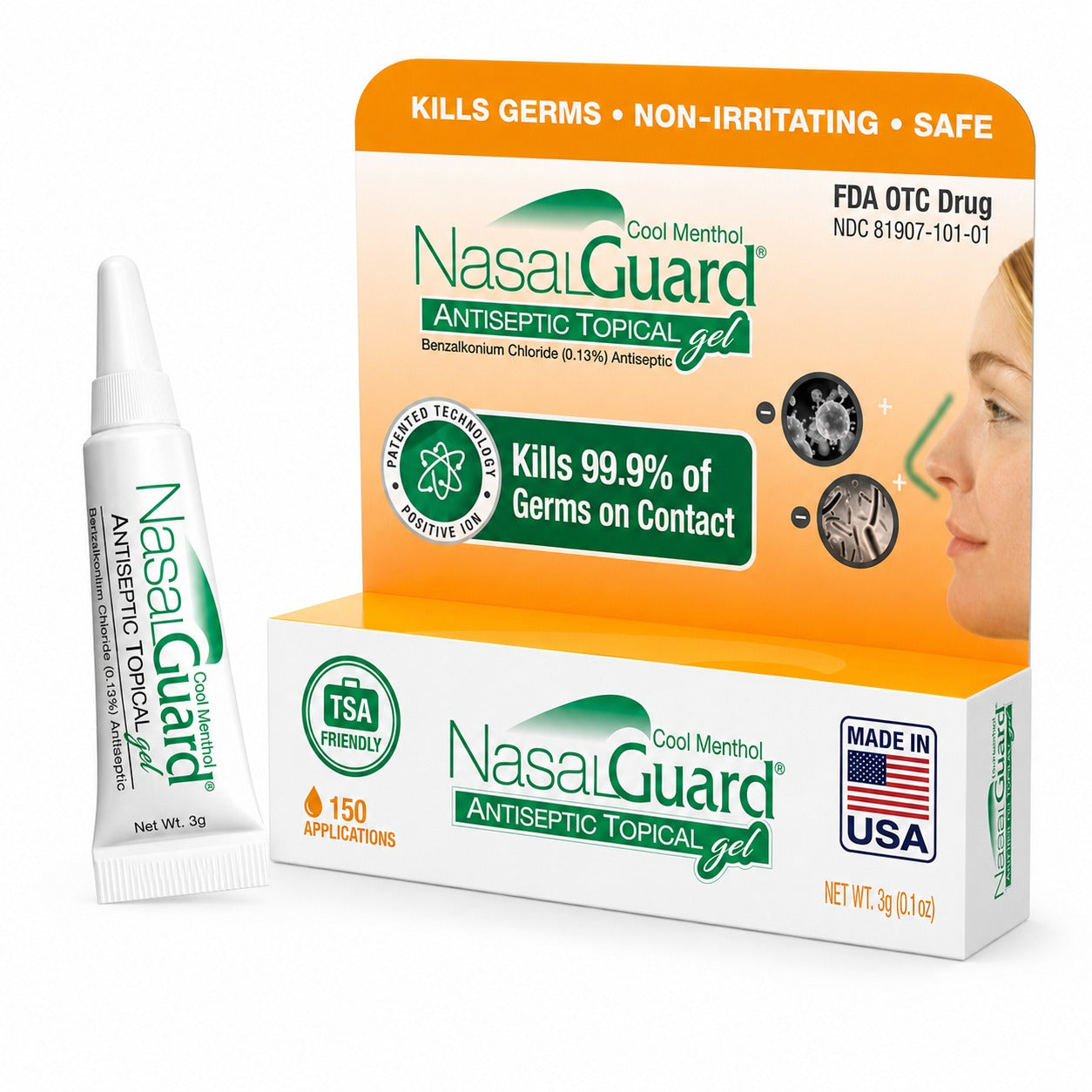
A cool menthol version is also available for those who prefer a refreshing sensation upon application.
What to Know Before Using an Externally Applied Gel Barrier
External Application
Apply NasalGuard only to the outside of the nose. Do not apply it inside the nostril or nasal passage.
Conclusion
Understanding Pet Dander as an Airborne Particle
Pet dander is a natural part of life with animals, made up of tiny flecks of skin that can become airborne through everyday movement and activity. Alongside dust and pollen, it's one of the most common everyday airborne particles people encounter at home. NasalGuard Airborne Particle Blocker is designed to help reduce inhalation of these particles as part of a broader routine, offering an externally applied, invisible gel barrier for those looking to add a simple step to their day.
FAQs
What is pet dander?
Pet dander consists of tiny flecks of skin shed by animals with fur or feathers, a natural byproduct of having a pet.
Can pet dander become airborne?
Yes, dander is lightweight and can easily lift into the air through pet movement, grooming, or everyday household activity like vacuuming.
How long does NasalGuard last?
NasalGuard lasts for 4+ hours per application. Reapply if your nose or face becomes wet.
Where can airborne pet dander be found?
Airborne pet dander is most commonly found in homes with pets, but it can also be present in shared indoor spaces such as offices or public transportation.
Is pet dander an airborne particle?
Yes, pet dander is considered one of the most common everyday airborne particles, alongside dust and pollen.
How does the NasalGuard gel barrier work?
NasalGuard's gel contains positively charged ions that attract and capture negatively charged airborne particles like pollen, dust, pet dander, pollution, and other irritants. NasalGuard reduces the inhalation of these airborne particles.