We've sent you an email with a link to update your password.
Reset your password
We will send you an email to reset your password.
Day Hike Packing List: A Late-Fall and Winter Daypack Kit
Christine Walek
0 comments
The long Thanksgiving weekend is when a lot of people finally take the trail they've been meaning to hike all fall. The leaves are down, the parking lot is half full, and the light starts fading earlier than you expect. A good day hike packing list turns that into a relaxed afternoon instead of a rushed one.
Here is a late-fall and winter daypack checklist built on the National Park Service's Ten Essentials, plus a small pocket kit for the trailhead and where a NasalGuard step fits on dusty, leafy trails.
Start with the Ten Essentials
The National Park Service organizes its Ten Essentials into ten categories, or systems, and says they can help in the event of minor injuries, sudden weather changes, or unexpected emergencies. For a day hike, that looks like:
Navigation: a map, compass, or GPS. NPS suggests bringing a physical map as a backup and an extra battery for your phone.
Sun gear: sunglasses, sunscreen, and a hat. Low winter sun still glares.
Extra clothing: a jacket, hat, gloves, rain shell, or other layers for the worst conditions you might meet.
Illumination: a flashlight or headlamp. NPS recommends headlamps because they are hands-free, plus extra batteries.
First-aid supplies: a pre-made kit you adjust for the trip, with expiration dates checked.
Fire: matches or a lighter and fire starters. Check the park's fire rules before you go.
Repair kit and tools: duct tape, a knife or multi-tool, scissors.
Nutrition: extra food, ideally no-cook snacks like trail mix, nuts, or granola bars.
Hydration: water, plus a way to purify more.
Emergency shelter: a space blanket, tarp, or bivy.
NPS also says to tell someone where you're going and when to expect you back. It costs nothing and takes one text.
The Ten Essentials, as organized by the National Park Service.
Late-fall and winter additions
The Ten Essentials stay the same all year. What changes in late fall is the weight you give some of them.
Move the headlamp from "somewhere in the pack" to the lid pocket. Short afternoons catch people out.
Pack one more warm layer than the forecast suggests, and a dry pair of socks in a zip bag.
Wear something bright. NPS notes that bright clothing makes you easier to see.
Bring a thermos or an insulated bottle so water doesn't sit icy in the pack.
Check the park or trail website the morning of the hike for closures, hunting seasons, and road conditions.
The pocket kit: what stays within reach
A daypack is great until you have to take it off every ten minutes. Keep a few small things in a jacket or hip-belt pocket instead:
phone and a paper map folded to today's section
lip balm
a snack bar
a small tube of NasalGuard
a thin pair of gloves
a trash bag for wrappers
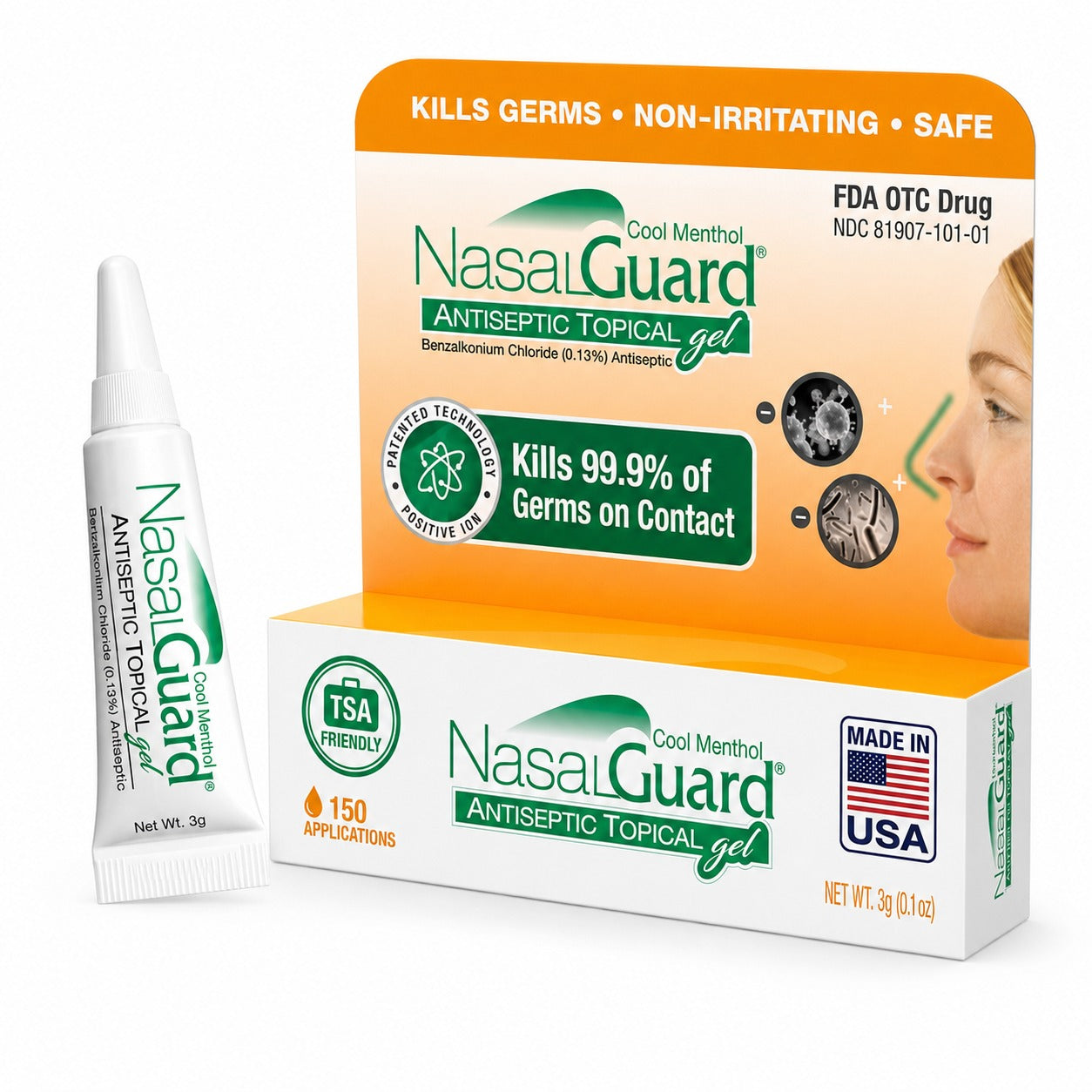
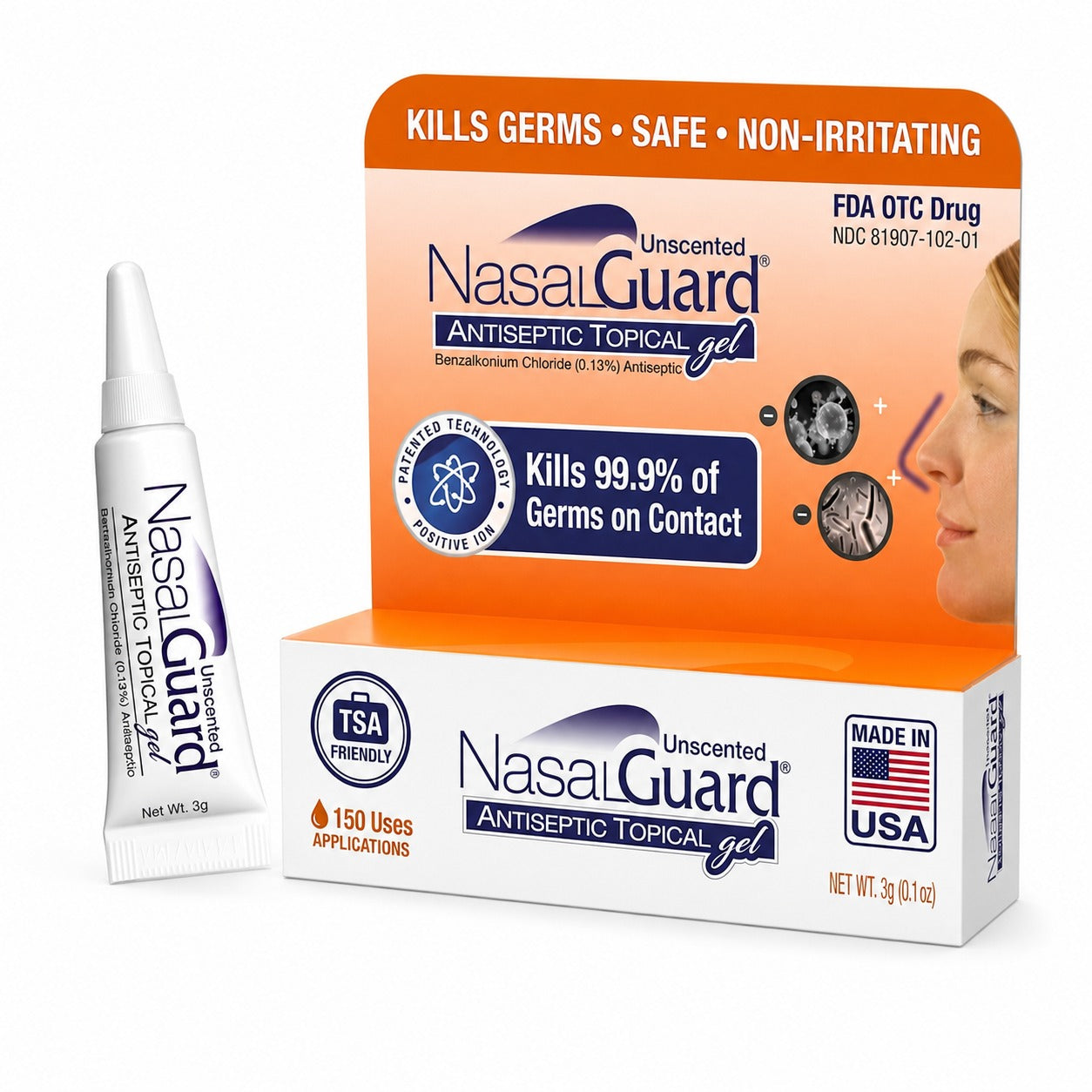
The 3g tube is small enough to disappear in a pocket. Keep the cap on tight and follow the label's storage directions.
Where NasalGuard fits on the trail
Late-fall trails can be dusty in a way summer trails aren't: dry leaf litter underfoot, gravel access roads, and trailhead lots where every arriving car kicks up a little grit.
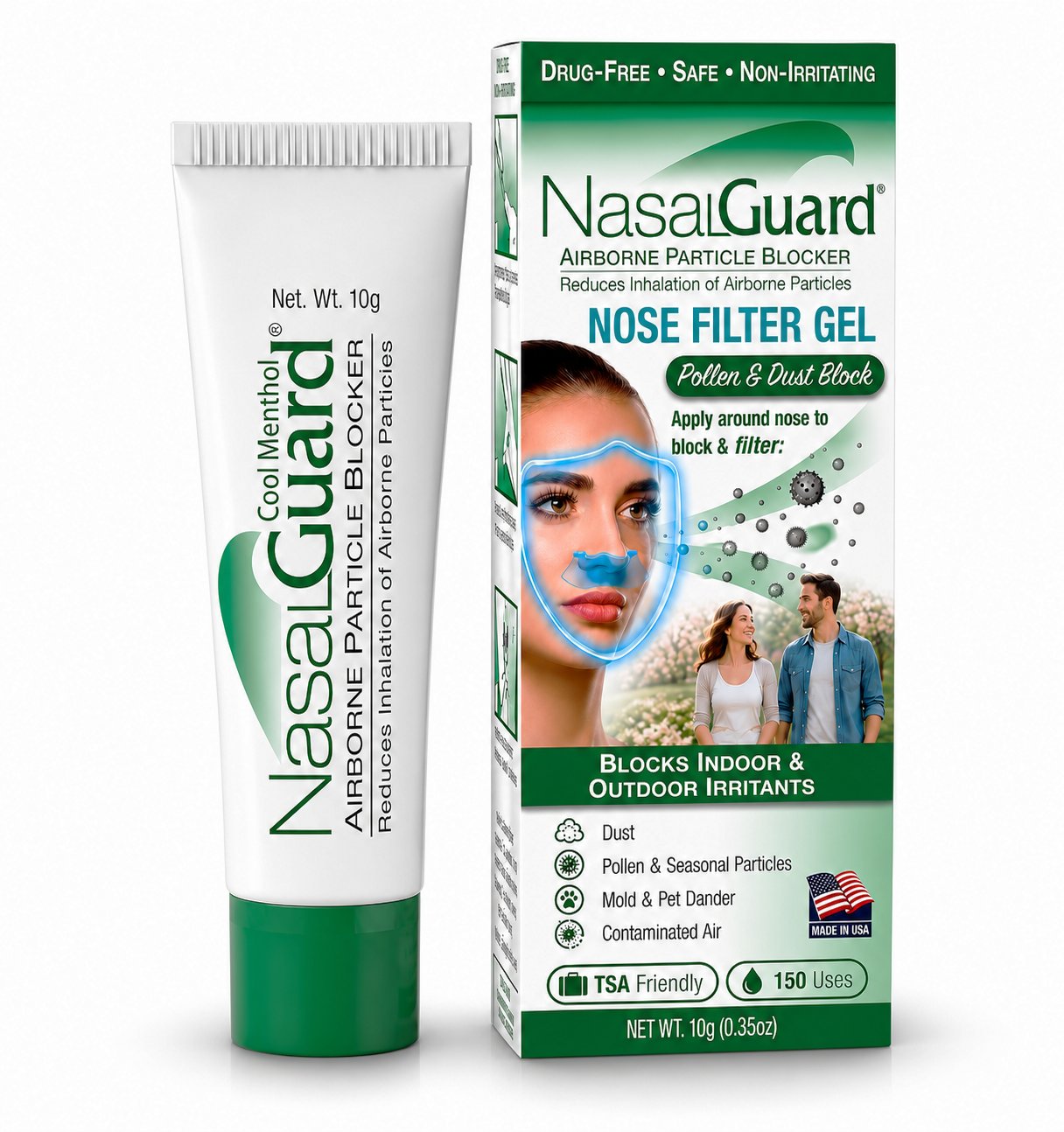
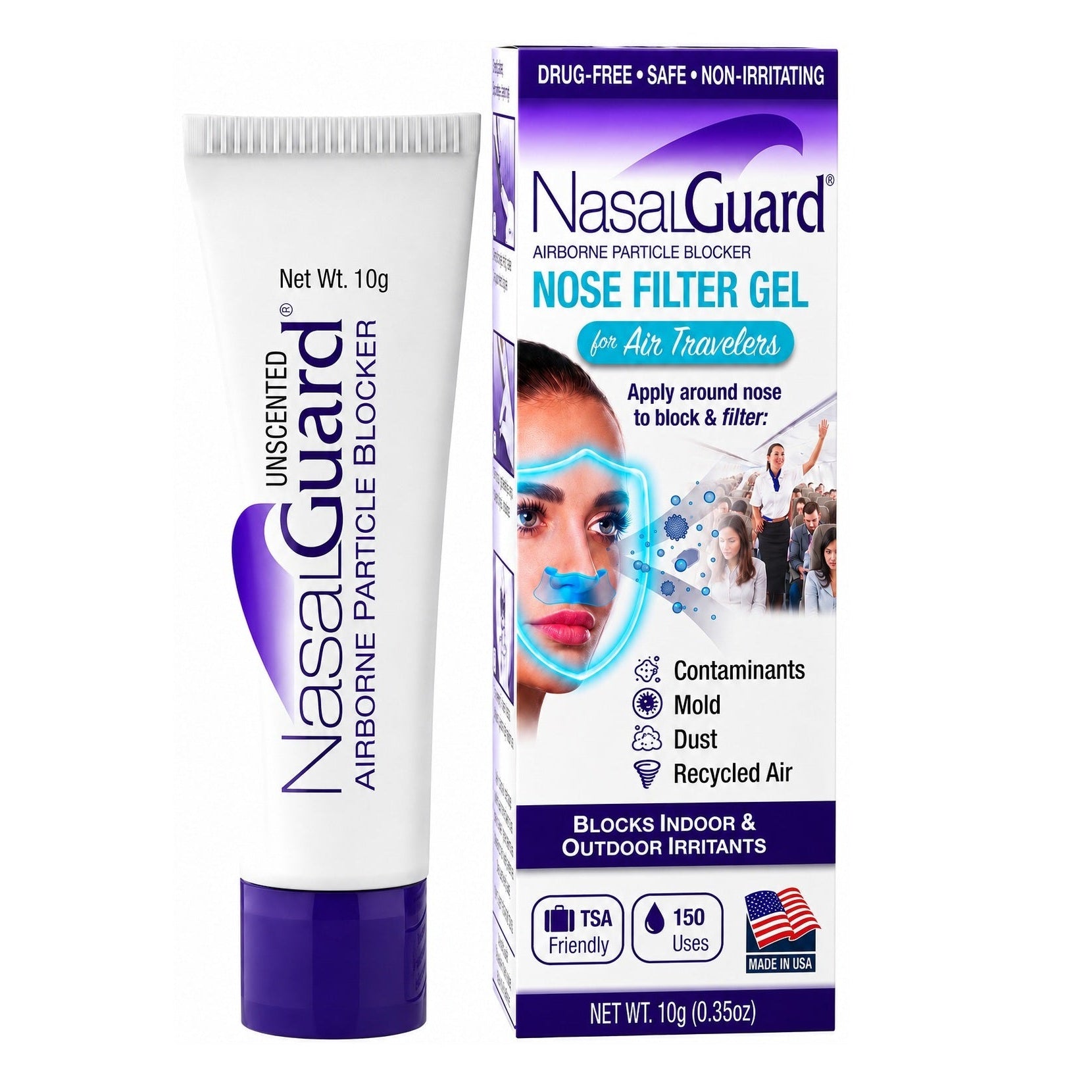
NasalGuard® Airborne Particle Blocker is an invisible, drug-free gel applied around the outside of the nostrils and above the upper lip to help reduce inhalation of everyday airborne particles such as pollen, dust, and pet dander. The Pollen & Dust Block line is the everyday version, and it comes in Unscented or Cool Menthol, which has a menthol scent.
In the tube and on your fingertip it is an opaque, milky-white gel. Spread it out and it goes on invisibly, so it sits quietly under a buff or scarf.
It sits alongside the Ten Essentials as one more small habit, like lip balm, that you can do at the car.
Apply at the car, before your gloves go on, then reapply as directed and after the area gets wet.
A five-minute trailhead routine
Do this at the car, before the gloves go on:
Text your plan and expected return time to someone at home.
Check that the headlamp turns on and the phone is charged.
Apply NasalGuard: place a small amount on a fingertip, spread it between the thumb and finger, and apply around the outside of the nostrils and above the upper lip.
Put the tube back in the same pocket every time so you can find it.
Reapply according to the current directions and after the area becomes wet, which on a winter hike can mean sweat, drizzle, or snow.
Then lock the car and start walking while the light is still good.
Frequently asked questions
What should be on a day hike packing list?
Start with the National Park Service's Ten Essentials: navigation, sunglasses and sunscreen with a hat, extra clothing, a headlamp or flashlight, first-aid supplies, fire starters, a repair kit and tools, extra food, water with a way to purify more, and emergency shelter. Add items for the season and the trail, and tell someone where you're going and when you'll be back.
What should I add for a winter day hike?
Give extra weight to layers, lighting, and warm water. Pack one more warm layer than the forecast suggests, dry socks in a zip bag, a headlamp in an easy-to-reach pocket with extra batteries, bright clothing, and an insulated bottle. Check the park or trail website that morning for closures and road conditions before you leave.
Where should I keep NasalGuard on a hike?
Keep the small 3g tube in a jacket or hip-belt pocket so you can reach it without taking off your pack, and put it back in the same pocket each time. Keep the cap on tight and follow the label's storage directions. Apply it at the trailhead before your gloves go on.
Do I need to reapply NasalGuard during a hike?
Reapply according to the current directions on the label and after the area becomes wet. On a late-fall or winter hike, that can mean sweat on a steep climb, drizzle, or snow. Clean, dry fingers make it easier to spread a thin, even layer around the outside of the nostrils and above the upper lip.
Christine Walek writes for the NasalGuard editorial team about air quality, travel, and the everyday airborne particles we share space with. Articles are reviewed against current product labeling before publishing.