Mold and airborne particles are often mentioned together, since mold is a common part of many indoor and outdoor environments and is frequently discussed alongside other everyday airborne particles like dust, pollen, and pet dander. All of these particles share a basic trait: they're small enough to become airborne and carry a negative electrical charge, which is why they're often grouped when people talk about airborne particles in everyday environments. Understanding how mold behaves in the environment, and how it fits into that broader picture, can help you think more mindfully about the spaces you spend time in every day.
What Is Mold?
Understanding Mold in Everyday Environments
Mold is a naturally occurring type of fungus found in countless environments, both indoors and outdoors. It grows in a wide range of settings, from soil and decaying plant matter outside to damp corners of a basement or bathroom inside. Because mold is so widespread in nature, it's considered a normal part of many ecosystems rather than an unusual occurrence.
How Mold Particles Can Become Airborne
Mold reproduces by releasing tiny spores, and under certain conditions, these mold particles can become suspended in the air. Air movement, disturbances to a moldy surface, or changes in humidity can all play a role in whether spores become mold in the air. Once airborne, these particles behave similarly to other small particulates that circulate through indoor and outdoor air.
Indoor Environments and Airborne Particles
Indoor spaces can accumulate a variety of indoor airborne particles over time, including dust, fibers, and occasionally mold spores, depending on the environment. Ventilation, humidity levels, and general upkeep of a space can all influence how particles move and settle indoors. This is simply a feature of how indoor air works; it's constantly interacting with the surfaces, materials, and conditions around it.
Understanding Mold and Airborne Particles
How Airborne Mold May Be Encountered
People may encounter airborne mold spores in a variety of everyday settings, from older buildings to areas with higher humidity. Because mold spores are microscopic, they aren't something you can typically see or notice directly in the air. This is part of why general awareness of indoor and outdoor environments is a useful habit.
Mold and Other Airborne Particles
Mold is just one example of the many types of particles that can be found in the air around us. Other common examples include dust, pollen, and pet dander, particles that come from very different sources but share two key traits: they're small enough to become airborne under the right conditions, and like most airborne particulates, they typically carry a negative charge.
Where Can Airborne Particles Be Encountered?
Indoor Environments
Homes, offices, and other indoor spaces can all contain a mix of airborne particles depending on ventilation, cleaning habits, and the materials present. Humidity and airflow are two of the biggest factors that influence what's circulating in indoor air at any given time.
Outdoor Environments
Outdoor air carries its own mix of particles, from pollen and airborne particles like tree and grass pollen to dust kicked up by wind or foot traffic. Seasonal changes and weather conditions can shift what's present in outdoor air throughout the year.
Everyday Activities and Routines
Certain routines and activities may involve more contact with airborne particles than others, such as outdoor chores, visiting a friend's home with pets, or spending time in a dusty environment. Being aware of these moments is simply part of understanding your day-to-day surroundings.
Mold, Dust and Other Airborne Particles
Understanding Airborne Dust
Dust and airborne particles go hand in hand: dust is one of the most common airborne particles found in nearly every indoor environment. It's typically made up of a mix of skin cells, fabric fibers, soil particles, and other fine debris that settles on surfaces or becomes airborne when disturbed.
Understanding Pollen as an Airborne Particle
Pollen is released by plants, trees, and grasses, particularly during certain seasons. It's carried through the air by wind and can travel significant distances, making it one of the more widespread outdoor airborne particles.
Where Mold Fits In
Like dust, pollen, and pet dander, airborne mold spores are lightweight, negatively charged particles capable of remaining suspended in indoor or outdoor air. This shared set of physical properties is why mold is often discussed alongside these other everyday airborne particles, even though it comes from a different biological source.

How to Be Mindful of Airborne Particles
Understanding Your Environment
Paying attention to the general conditions of the spaces you spend time in, such as humidity, airflow, and cleanliness, can help you build a better sense of what might be present in the air around you.
Maintaining Everyday Indoor Habits
Simple habits like regular cleaning, dusting, and managing humidity levels can support a more comfortable indoor environment. These are routine parts of home upkeep rather than specialized interventions.
Considering a Barrier Step for Approved Airborne Particles
For those looking to add another step to their everyday routine around common airborne particles like dust, pollen, and pet dander, some people choose to incorporate a barrier product as part of their day. This is one of many small habits people build into their routines.
How NasalGuard Airborne Particle Blocker Fits Into an Everyday Routine
An Externally Applied Gel Barrier
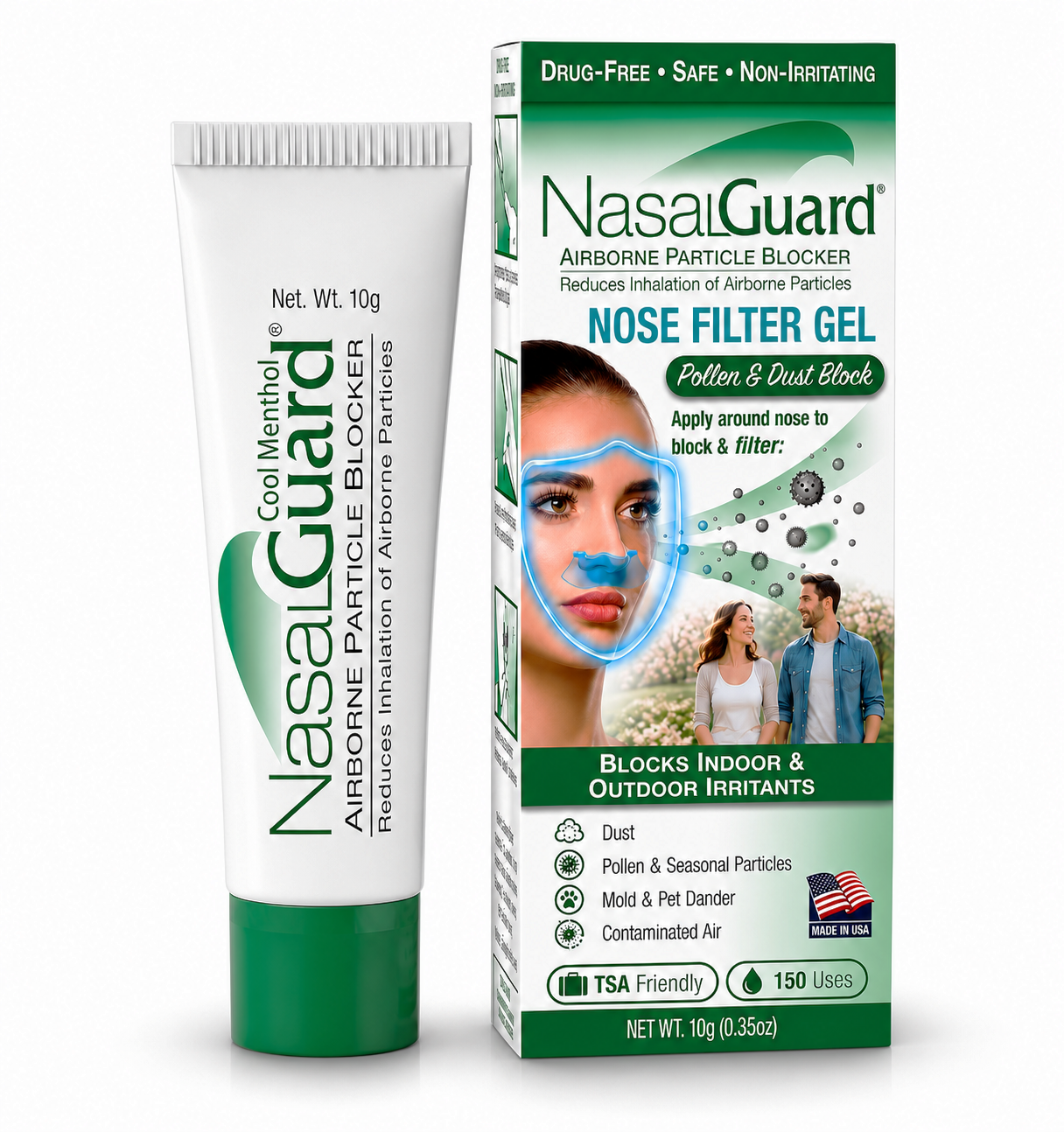
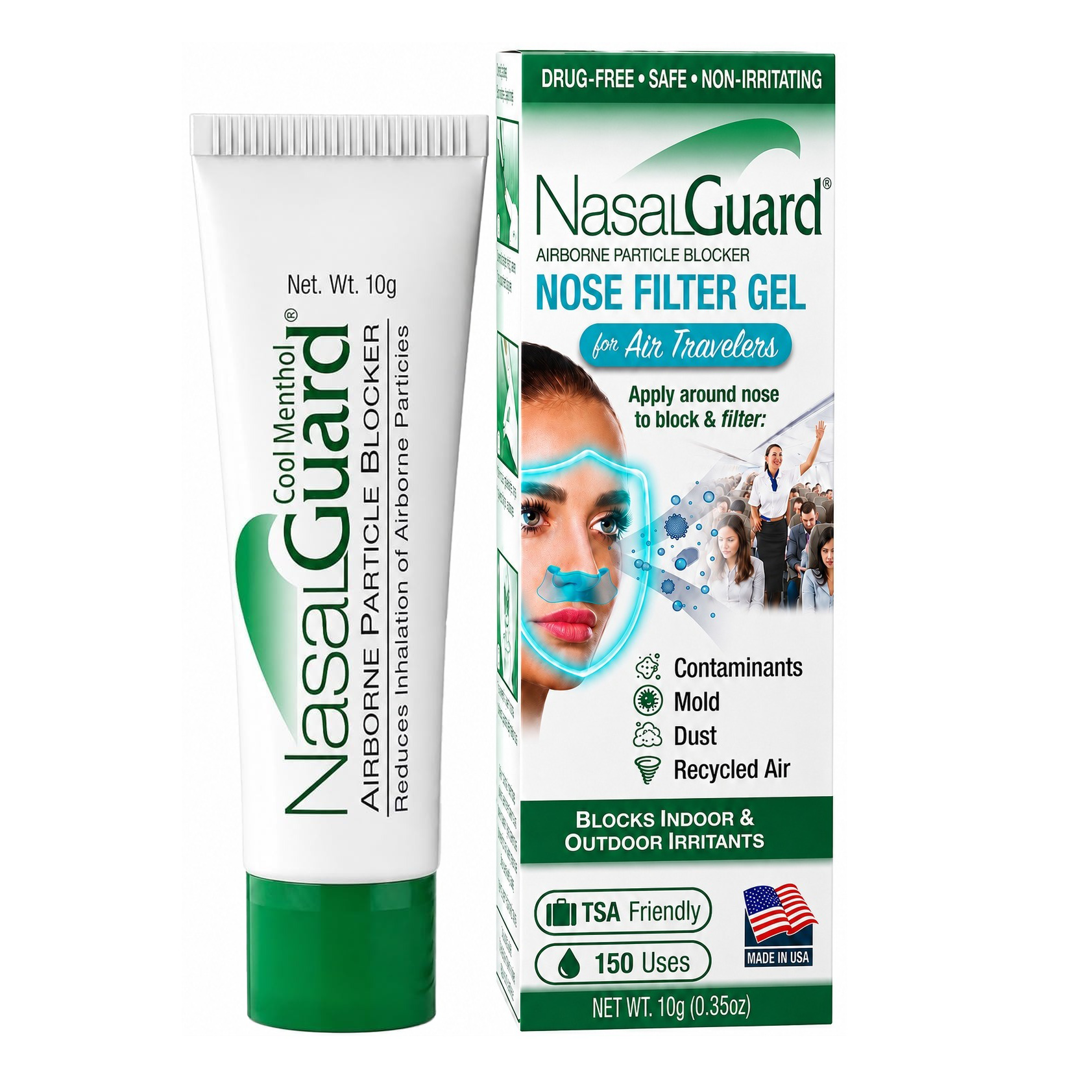
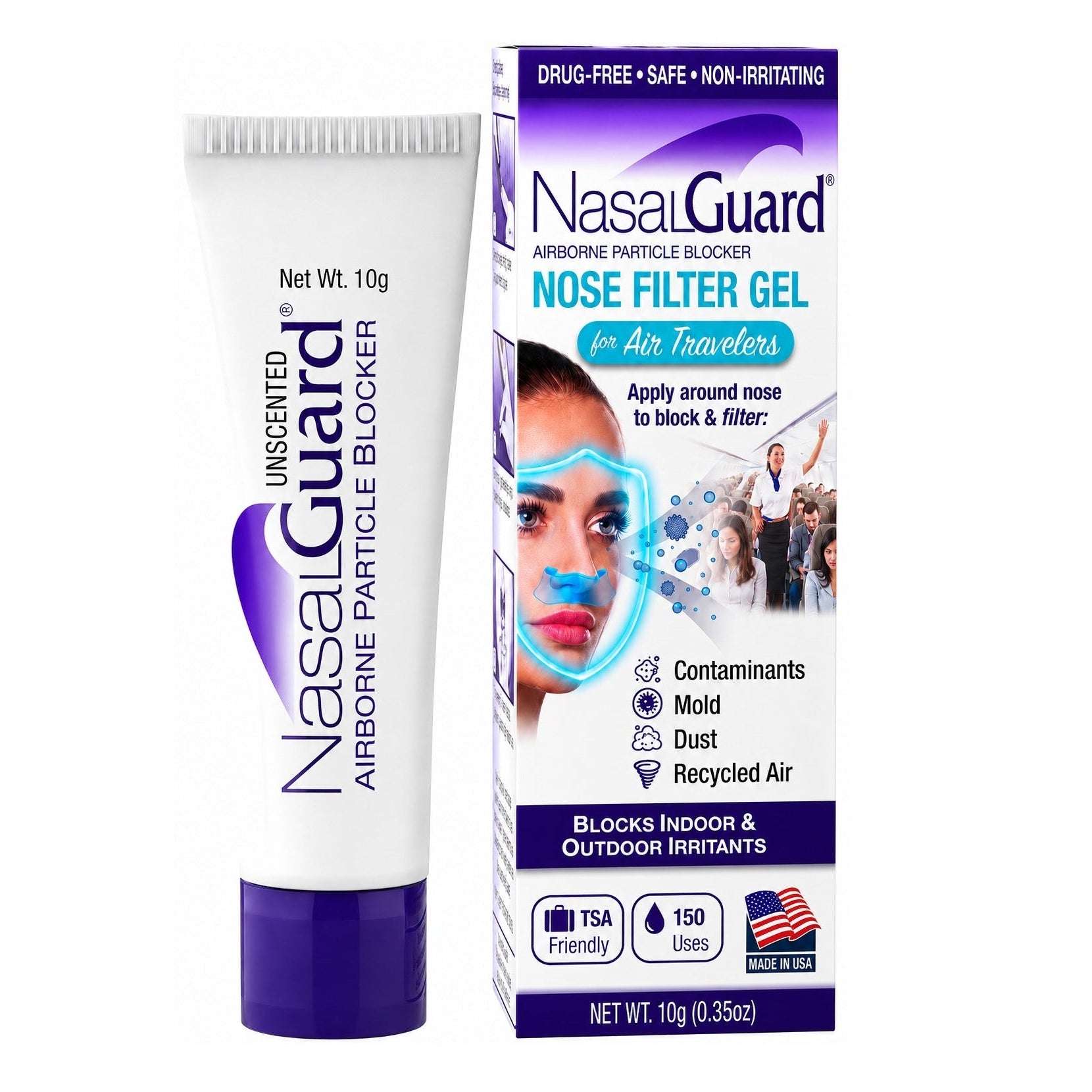
NasalGuard Airborne Particle Blocker is an externally applied gel, meaning it's designed to be used on the outside of the nose rather than inside the nasal passage. It's a simple addition that some people incorporate into their daily routine.
A Barrier Step for Approved Airborne Particles
The gel is formulated to work with everyday airborne particles such as dust, pollen, and pet dander, the kinds of particles many people encounter regularly indoors and outdoors. Because mold spores share the same basic particle properties (small, lightweight, and negatively charged), they fall into this same general category of airborne particles that the technology is built to interact with.
How NasalGuard Airborne Particle Blocker Works
Positive Ion Barrier Technology
NasalGuard uses positive ion barrier technology, which creates an invisible barrier around the nostrils designed to help reduce inhalation of airborne particles. The gel's positively charged ions are designed to attract and capture negatively charged airborne particles, a category that includes pollen, dust, pet dander, and, due to their similar electrical charge, mold spores as well.
The Invisible Gel Barrier
Once applied, the gel forms an invisible layer around the outside of the nose. It's not noticeable to others and doesn't change the way your nose looks or feels day to day.
How to Apply NasalGuard Airborne Particle Blocker
Applying the Gel Around the Outside of the Nostrils
Apply a small drop of gel to your fingertip, then rub it evenly between your thumb and finger. Smooth it around the base of your nostrils and above your upper lip. Reapply every 4+ hours, or after washing your face.
Applying It Above the Upper Lip
The area above the upper lip is included in application to help extend the barrier's coverage around the nose.
Following Current Product Directions
Always refer to the directions on the current product packaging for the most accurate and up-to-date application guidance.

When an Airborne Particle Barrier Step May Fit Your Routine
Everyday Indoor Routines
Some people like to apply NasalGuard Airborne Particle Blocker as part of their morning routine, particularly if they spend time in environments with dust or pet dander.
Outdoor Activities
Time spent outdoors, including walking, yard work, or other activities, is another moment when people may choose to include this step, especially during pollen season.
Travel and Commuting
Commuting and travel can involve a variety of shared indoor spaces, making it another everyday scenario where some people include a barrier step in their routine.
NasalGuard Airborne Particle Blocker Options
Unscented Option
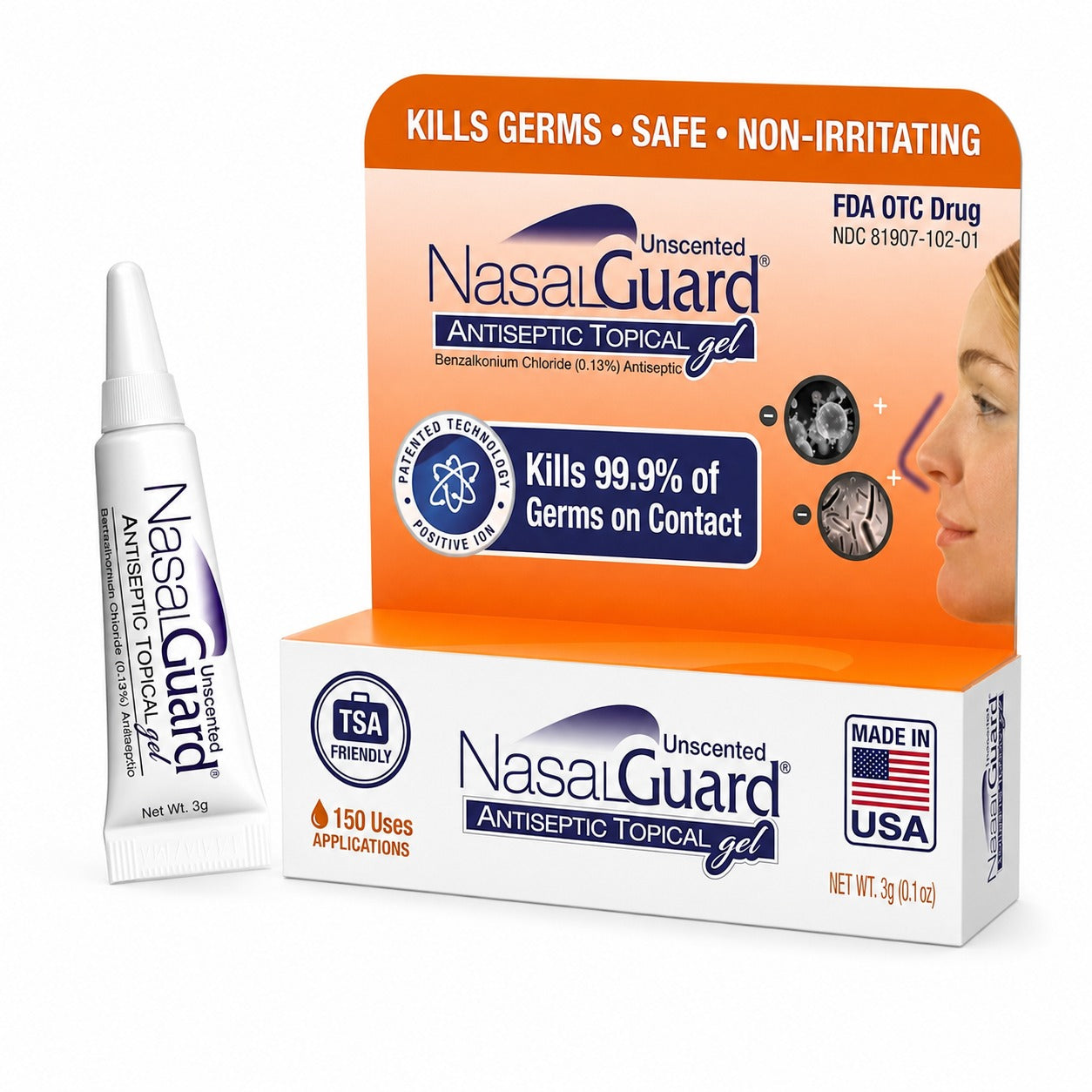
For those who prefer a fragrance-free experience, NasalGuard Airborne Particle Blocker offers an unscented version of the gel.
Cool Menthol Option
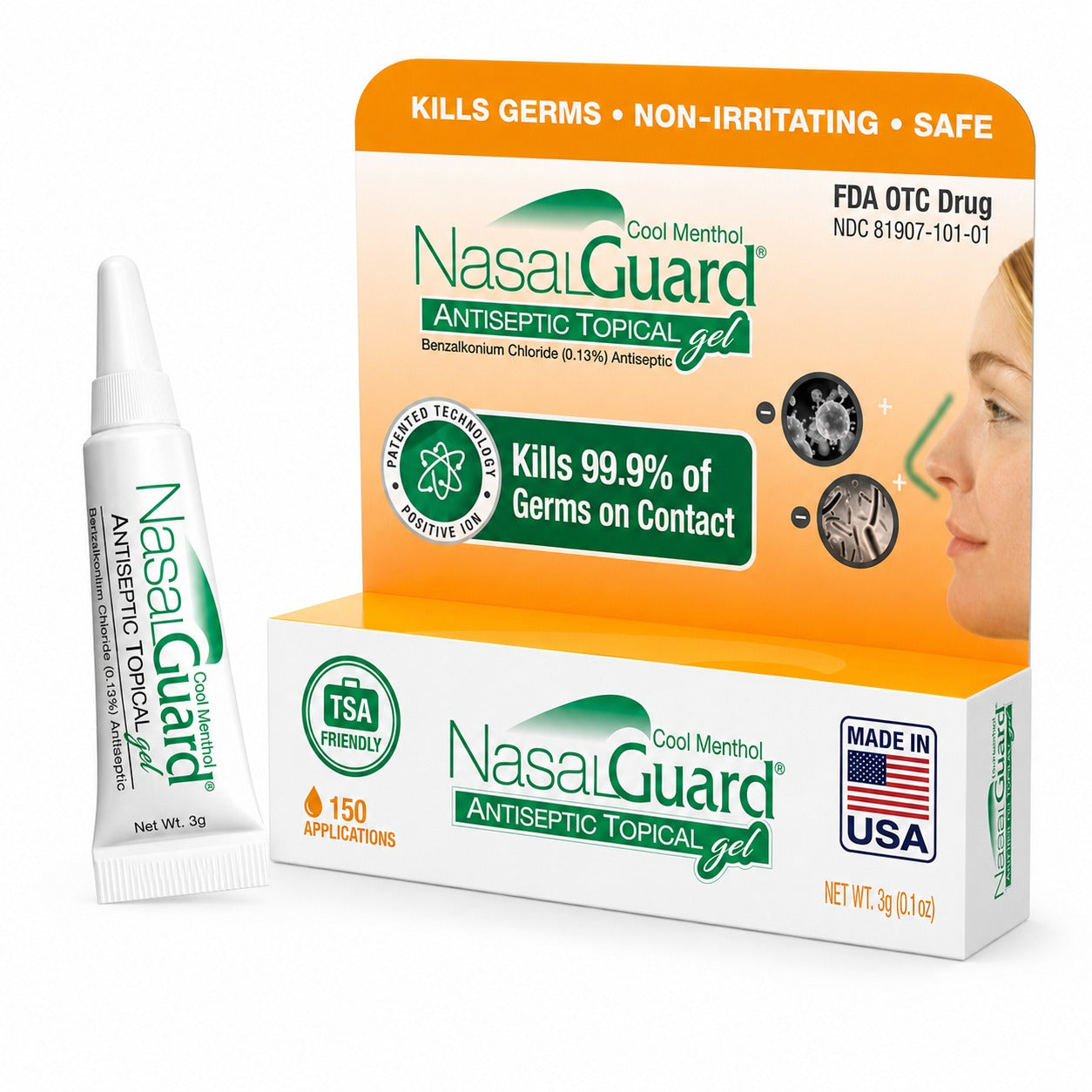
A cool menthol version is also available for those who prefer a refreshing sensation upon application.
What to Know Before Using an Externally Applied Gel Barrier
External Application
Apply NasalGuard only to the outside of the nose. Do not apply it inside the nostril or nasal passage.
How NasalGuard Works
NasalGuard's gel contains positively charged ions that attract and capture negatively charged airborne particles like pollen, dust, pet dander, pollution, and other irritants. The particles are trapped in the gel and unable to enter your nose, helping you breathe easier and feel more comfortable.
Conclusion
Understanding Mold and Airborne Particles
Mold is a naturally occurring part of many environments, and its spores are one of many types of particles that can become airborne under the right conditions. Alongside mold, everyday airborne particles like dust, pollen, and pet dander are a normal part of indoor and outdoor life, and all of them share the small size and negative charge that positive ion barrier technology is designed to interact with. NasalGuard Airborne Particle Blocker is designed to help reduce inhalation of these everyday particles as part of a broader routine, offering an externally applied, invisible gel barrier for those looking to add a simple step to their day.
Many people build small habits around the airborne particles they encounter day to day, and a gel barrier is one of the options some choose to include. More on how this fits into a daily routine can be found here.
FAQs
What is mold?
Mold is a naturally occurring type of fungus found in many indoor and outdoor environments, reproducing through tiny spores.
Can mold particles become airborne?
Yes, under certain conditions such as air movement or surface disturbance, mold spores can become suspended in the air.
Where can airborne mold be encountered?
Airborne mold spores may be present in a variety of settings, including indoor spaces with higher humidity and outdoor environments with organic matter.
What are some common everyday airborne particles?
Common examples include dust, mold, pollen, and pet dander, all of which can become airborne indoors or outdoors.
How does NasalGuard Airborne Particle Blocker work?
NasalGuard uses positive ion barrier technology, creating an invisible barrier around the nostrils. The gel's positively charged ions are designed to attract and capture negatively charged airborne particles, including pollen, dust, pet dander, and mold spores.
What is Positive Ion Barrier Technology?
It's the technology behind NasalGuard's gel formula. The gel carries a positive charge that's designed to attract and capture negatively charged airborne particles like pollen, dust, pet dander, and mold, trapping them before they enter the nose.
Does NasalGuard go inside the nose?
No. NasalGuard is applied externally, around the outside of the nostrils and above the upper lip.
How do you apply NasalGuard Airborne Particle Blocker?
Apply a small amount around the outside of the nostrils and above the upper lip.
How long does NasalGuard last?
NasalGuard lasts for 4+ hours per application. Reapply if your nose or face becomes wet.